


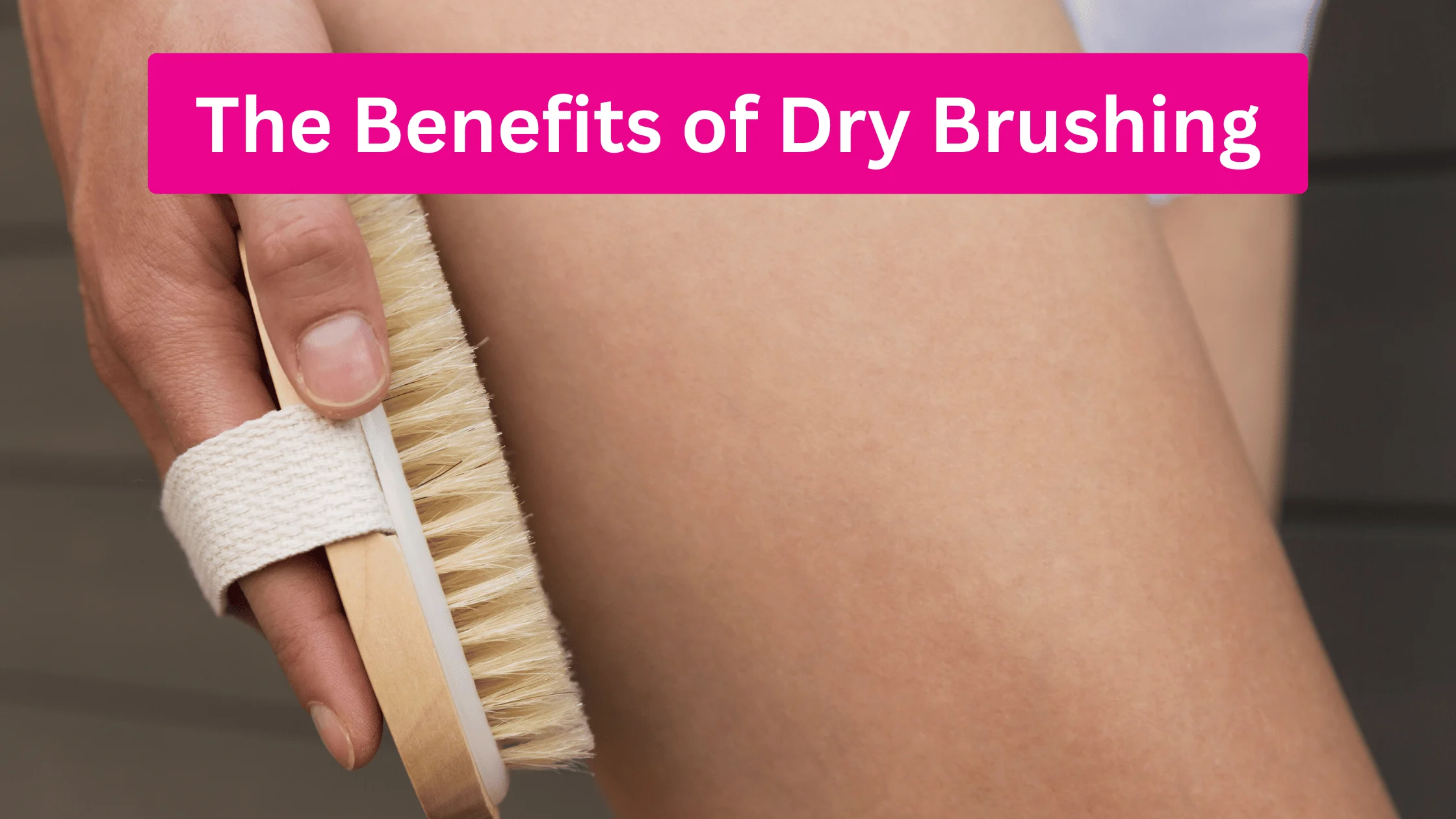
Introduction to Dry Brushing
Dry brushing is an age-old practice that has recently gained traction in the beauty and wellness community. Originating from ancient civilizations such as the Egyptians and Greeks, dry brushing involves the use of a firm, natural bristle brush to exfoliate the skin. This technique aims to enhance skin health and promote a radiant appearance by stimulating blood circulation and promoting lymphatic drainage.
The process of dry brushing is quite simple and can easily be incorporated into one’s daily routine. To begin, one requires a high-quality dry brush with firm bristles, ideally made from natural materials. This tool is specifically designed for the method, offering the ideal texture to effectively slough off dead skin without causing irritation. Prior to the brushing session, it is recommended that individuals undress and stand on a towel to catch the dust and dead skin particles that may be released during the process.
The basic technique of dry brushing involves starting from the feet and working your way up towards the heart, using long, sweeping strokes. Brushing should be performed on dry skin, ideally before bathing, to maximize the benefits of exfoliation. Gentle pressure is key, and particular attention should be paid to areas such as the elbows, knees, and other rough patches that may require a bit more focus.
As consumers increasingly seek holistic methods to improve their skin’s appearance and health, dry brushing stands out as a natural alternative that aligns with current wellness trends. Many claim that it not only enhances the texture and look of the skin but also provides a moment of self-care that can positively influence overall well-being. In this way, dry brushing serves as both a beauty enhancement technique and a ritualistic practice, promoting mindfulness and bodily awareness.
How Dry Brushing Works
Dry brushing is an ancient technique that involves using a natural bristle brush to stimulate the skin and enhance its overall health. This method begins by selecting an appropriate brush with soft bristles, typically made from materials such as sisal or boar hair. The process is usually performed on dry skin before showering, which allows for better absorption of moisture and skincare products afterward.
The mechanical action of brushing helps to slough off dead skin cells that accumulate on the surface of the skin over time. Through regular dry brushing, individuals can promote a fresher, smoother appearance, as the removal of these dead cells reveals healthier skin beneath. In addition to exfoliation, dry brushing also plays a significant role in the stimulation of the lymphatic system. The lymphatic system is crucial for detoxification, as it helps to remove waste products and toxins from the body. By utilizing a specific brushing technique, such as working in long, sweeping strokes towards the heart, individuals can encourage lymphatic flow, thereby enhancing the body’s natural detoxification processes.
Moreover, dry brushing promotes increased circulation in the areas that are brushed. As blood flow elevates, it may contribute to a more radiant and vibrant complexion while also aiding in the delivery of essential nutrients to the skin cells. Improved circulation can lead to better skin elasticity and firmness, reducing the appearance of fine lines and wrinkles. Therefore, incorporating this simple yet effective practice into a daily skincare routine can yield notable benefits. Overall, dry brushing serves not only as a method of exfoliation but also as a technique that stimulates the skin and promotes lymphatic health, resulting in a more vibrant, firm, and radiant complexion.
Skin Benefits of Dry Brushing
Dry brushing, an ancient practice that has gained popularity in modern self-care routines, offers numerous skin benefits for individuals seeking to enhance their overall skin health. One of the primary advantages of dry brushing is an improvement in skin texture. By using a firm, natural-bristle brush to exfoliate dead skin cells, the process reveals fresher, smoother skin underneath. Regular application can lead to a more even complexion, contributing to skin that feels soft and appears vibrant.
In addition to texture improvement, dry brushing is believed to aid in the removal of toxins from the skin. The technique promotes blood circulation, stimulating the lymphatic system, which plays a crucial role in detoxification. As a result, this practice can help your body eliminate waste and impurities, fostering a cleaner skin environment and possibly reducing the occurrence of blemishes and breakouts.
Further benefits of dry brushing include its potential to enhance skin radiance. The increased blood flow generated through the brushing process not only invigorates the skin but also promotes a healthy glow. As circulation improves, oxygen and essential nutrients are delivered more efficiently to skin cells, paving the way for a vibrant appearance. Over time, this practice may help diminish signs of fatigue, resulting in skin that looks and feels rejuvenated.
Moreover, incorporating dry brushing into your routine can contribute to firmer skin. The mechanical action of brushing promotes collagen production, which is vital for maintaining the skin’s elasticity. Regularly engaging in this practice may also assist in reducing the appearance of cellulite, as improved circulation and lymphatic drainage work to break down fat deposits beneath the surface. Overall, with consistent practice, dry brushing can offer significant enhancements to skin tone and firmness.
Health Benefits Beyond Skin
Dry brushing is often associated with improving the appearance and texture of the skin; however, its benefits extend far beyond dermatological enhancements. One of the primary health benefits of dry brushing is its role in detoxifying the body. By stimulating the skin and encouraging circulation, dry brushing facilitates the removal of dead skin cells and promotes the elimination of toxins through the lymphatic system. This natural detoxification process is essential, as it helps maintain overall bodily health and allows the organs to function more effectively.
Another significant advantage of dry brushing lies in its ability to enhance lymphatic flow. The lymphatic system is integral to our immune function, as it transports lymph—a fluid containing infection-fighting white blood cells—throughout the body. When dry brushing is performed, it can encourage lymphatic drainage, which reduces the risk of swelling and aids in the prevention of various health issues. Improved lymphatic circulation can lead to increased energy levels and a stronger immune response, making dry brushing an appealing practice not only for invigorating the skin but also for promoting general well-being.
Moreover, the act of dry brushing can be a stress-relieving experience. The rhythmic nature of brushing, combined with the physical sensations felt during the process, can induce a state of relaxation that is akin to mindfulness practices. As individuals take a moment to care for their bodies, dry brushing can serve as a form of self-care that enhances mental clarity and peace. This meditative aspect can also contribute positively to mental health, reducing anxiety and promoting a sense of calm. In this way, dry brushing becomes more than a beauty routine; it transforms into a holistic practice that nurtures both body and mind.
How to Incorporate Dry Brushing into Your Routine
Integrating dry brushing into your skincare routine can significantly enhance skin health and improve its appearance. To begin, selecting the right brush is essential. Opt for a natural bristle brush that is firm yet gentle on the skin. The bristles should be long enough to effectively exfoliate but soft enough to prevent irritation. Regular cleaning of the brush is also vital; wash it with soap and water weekly to eliminate dust and skin cells that may accumulate over time.
Frequency is another critical aspect of effective dry brushing. Most skincare experts suggest incorporating dry brushing into your routine 2 to 3 times a week. This frequency is adequate to achieve the desired benefits without over-exfoliating, which could irritate the skin. It is recommended to perform dry brushing before your shower, as this allows any dead skin cells shed during brushing to be easily washed away. Additionally, the warm water from the shower can help soothe the skin post-treatment.
When it comes to the technique, start at the extremities of your body and work your way toward the heart. Using long, sweeping strokes, move the brush in an upward motion on your arms and legs. For the abdomen, focus on circular motions while moving clockwise; this is believed to stimulate circulation and aid in lymphatic drainage. Avoid going over sensitive areas such as the face or areas with broken skin, as these regions require gentler treatment.
Post-brushing care is essential to maximize the benefits of dry brushing. After showering, apply a hydrating lotion or oil to nourish the skin, helping maintain its moisture balance. Products with natural ingredients, such as coconut or almond oil, are an excellent choice to enhance skin hydration. By adhering to these guidelines, you can effectively incorporate dry brushing into your routine, working towards achieving radiant, firm skin.
Dry Brushing Mistakes to Avoid
While dry brushing can offer numerous benefits for achieving radiant and firm skin, improper technique can lead to negative effects. One common mistake individuals make is applying too much pressure during the process. The skin is sensitive, and excessive pressure can cause irritation or damage, negating the advantages of dry brushing. It is essential to use a gentle touch, allowing the natural bristles of the brush to stimulate the skin without causing discomfort. A light, sweeping motion is often recommended to promote lymphatic drainage and encourage circulation without overexerting the skin.
Another mistake often encountered is neglecting the importance of technique. Many people rush through their dry brushing routine, thinking that quick movements will enhance the benefits. In reality, a methodical approach allows for a thorough exfoliation and better absorption of products applied afterward. Begin at the feet and move toward the heart, using long strokes on arms and legs while focusing on circular motions on the stomach. Following the appropriate method ensures optimal results and minimizes the risk of skin sensitivity or irritation.
Additionally, individuals should consider their skin type before starting a dry brushing regimen. For those with sensitive or compromised skin conditions, such as eczema or psoriasis, dry brushing may exacerbate symptoms. It is crucial to assess whether your skin can tolerate the technique. If you experience redness or irritation after brushing, it may be a sign to reduce frequency or alter the brush used. Opting for softer bristles can provide a gentler alternative for sensitive skin types, ensuring a beneficial experience without harmful repercussions.
Combining Dry Brushing with Other Practices
To fully maximize the benefits of dry brushing for radiant, firm skin, it is essential to incorporate this practice into a broader skincare and wellness routine. By pairing dry brushing with moisturization techniques, essential oils, and holistic health practices, individuals can enhance their overall skin health and improve vitality.
Firstly, following a session of dry brushing, the skin is primed to absorb hydrating products effectively. Applying a quality moisturizer or body oil post-brushing can deeply nourish the skin, promoting hydration while facilitating improved elasticity. Ingredients such as cocoa butter, shea butter, or natural oils like almond or coconut are particularly beneficial when applied after dry brushing, as they can seal in moisture and provide lasting softness.
Integrating essential oils into the moisturizing process further amplifies the benefits. Oils like lavender, eucalyptus, or tea tree possess properties that can calm inflammation, enhance relaxation, and offer antibacterial benefits. A few drops mixed with a carrier oil can transform a standard post-brushing routine into a holistic skincare ritual that not only nourishes the skin but also engages the senses.
In addition to topical applications, dry brushing can complement other wellness practices, such as regular exercise or meditation. Engaging in physical activity improves circulation, which synergizes with the effects of dry brushing, fostering a healthy glow and supporting lymphatic drainage. Furthermore, incorporating breathing exercises or mindfulness techniques immediately after brushing can enhance relaxation, encouraging a complete sense of well-being.
Ultimately, considering dry brushing as part of a comprehensive skincare approach allows individuals to experience its full range of benefits while promoting a lifestyle rooted in self-care and overall health.
Client Testimonials and Experiences
Many individuals have embraced dry brushing as part of their skin care routines, sharing a variety of experiences that illustrate its benefits. One client, Sarah, noted a significant change in her skin texture after consistently using a dry brush three times a week. “I was amazed at how soft and smooth my skin felt within just a few weeks. The dry brushing not only exfoliated my skin but also helped reduce the appearance of cellulite on my thighs,” she shared. This highlights how the removal of dead skin cells can lead to an improved skin texture and overall appearance.
Another testimonial comes from James, who experienced a boost in his overall well-being through the practice. “After dry brushing, I felt more energized and invigorated. It has become a ritual that helps me start my day on a positive note. The invigorating nature of the brushing process stimulates my circulation, leaving my skin feeling alive,” he mentioned. His experience emphasizes not only the physical benefits of dry brushing for radiant skin but also the psychological uplift associated with self-care practices.
Lisa, who struggled with dry skin for years, also provided insight into the effectiveness of this practice. “Since I started dry brushing, I’ve noticed a remarkable difference in my skin’s hydration levels. I’m less prone to dryness and irritation. Additionally, it seems to help my body absorb moisturizers better after I shower,” she reported. Through these testimonials, it becomes evident that the consistent adoption of dry brushing can lead to significant skin improvements and a more positive sense of overall well-being. Each account reinforces the notion that dry brushing is not merely a cosmetic practice, but a holistic approach to skincare that can provide substantial benefits to those who incorporate it into their routines.
Conclusion
In summary, dry brushing emerges as a beneficial practice that offers numerous advantages for achieving radiant and firm skin. By incorporating this simple yet effective technique into a personal care routine, individuals can experience enhanced skin texture, improved circulation, and the potential for detoxification. The mechanical action of dry brushing not only exfoliates the skin, eliminating dead cells and promoting cell renewal, but also stimulates blood flow, leaving the skin looking enlivened and vibrant.
Moreover, the benefits of dry brushing extend beyond mere aesthetics. Many proponents note that it can foster a sense of well-being by providing a calming and invigorating experience. As the body becomes accustomed to the sensations of the brush, it can serve as a mindful practice, encouraging individuals to connect with their bodies in a profound way. This holistic approach can enhance wellness, contributing positively to mental health and overall body awareness.
For those considering adding dry brushing to their self-care regime, it is recommended to select a natural-bristled brush and to follow a gentle technique to avoid skin irritation. It is advisable to focus on areas with thicker skin, such as the arms and legs, while being cautious around sensitive regions. Regular practice can yield cumulative benefits, and with consistency, users may find that their skin becomes not only softer and smoother but also healthier in appearance.
As you contemplate the possible integration of dry brushing into your routine, remember that individual results may vary. Observing changes in skin condition and overall wellness can help reinforce the value of this practice. Ultimately, embracing dry brushing may be a worthwhile step toward achieving the radiant skin that many seek.
