


You stood in front of the mirror, ready for an important meeting. A stubborn blackhead caught your eye. You thought about makeup or even skipping your coffee. But then, you grabbed a salicylic acid cleanser a colleague had recommended.
Within weeks, the blackhead looked smaller, and new blemishes were rare.
Salicylic acid is a beta-hydroxy acid (BHA) used to treat acne. It loosens dead skin cells and clears pores. This makes it great for blackheads and whiteheads.
Over-the-counter products have lower concentrations. Dermatologists can offer stronger formulas or peels for severe cases.
Don’t expect quick results. Consistent use and the right frequency are key for lasting results. This article will guide you on how to use salicylic acid safely and effectively.
Key Takeaways
- Salicylic acid treatment is a dermatologist recommended chemical exfoliant for mild acne and clogged pores.
- It targets blackheads and whiteheads by exfoliating inside the pore and reducing oil buildup.
- Available over-the-counter and by prescription, with peels as an in-office option.
- Results typically appear over several weeks with consistent use and correct frequency.
- Follow safety guidance to balance effectiveness with minimal irritation.
How salicylic acid treatment works for acne and blemish control
Salicylic acid is a special acid that easily gets into pores. It helps with oily skin by reaching deep into pores. You can find it in cleansers, pads, gels, and leave-on formulas. It’s often mixed with niacinamide or ceramides to help the skin.
What salicylic acid is and why it’s effective
Salicylic acid is a gentle exfoliant. It helps skin cells shed normally. This makes skin look better and helps prevent acne.
Mechanism of action on oily skin and clogged pores
Salicylic acid breaks down the glue that holds dead skin cells together. This clears pores and reduces oil. Using it with benzoyl peroxide makes it even more effective.
Expected timeline and when to consult a dermatologist
You might see results in days, but it takes weeks for acne to really improve. If you don’t see changes after six weeks, or if you have serious acne, see a dermatologist.
| Use case | Common format | What to expect | When to consult a dermatologist |
|---|---|---|---|
| Daily oil control | Cleansers, foam washes | Reduced shine within days; gentle exfoliation | If dryness or irritation persists despite moisturizer |
| Targeted blemish care | Gels, spot treatments, pads | Reduced comedones over weeks; clearer pores | When inflammatory lesions increase or do not improve in 6 weeks |
| Combination therapy | Leave-on serums and paired actives | Better penetration of other topicals; layered acne prevention | Before combining with retinoids, oral meds, or chemical peels |
| In-office procedures | Supervised peels, professional exfoliation treatment | Faster visible improvement for stubborn acne and texture | If scarring, severe cysts, or systemic health issues exist |
Choosing the right form and dosage of salicylic acid treatment
You have many options for salicylic acid treatments. Choose what fits your skin and daily routine. Start with a low dose and increase as your skin gets used to it.
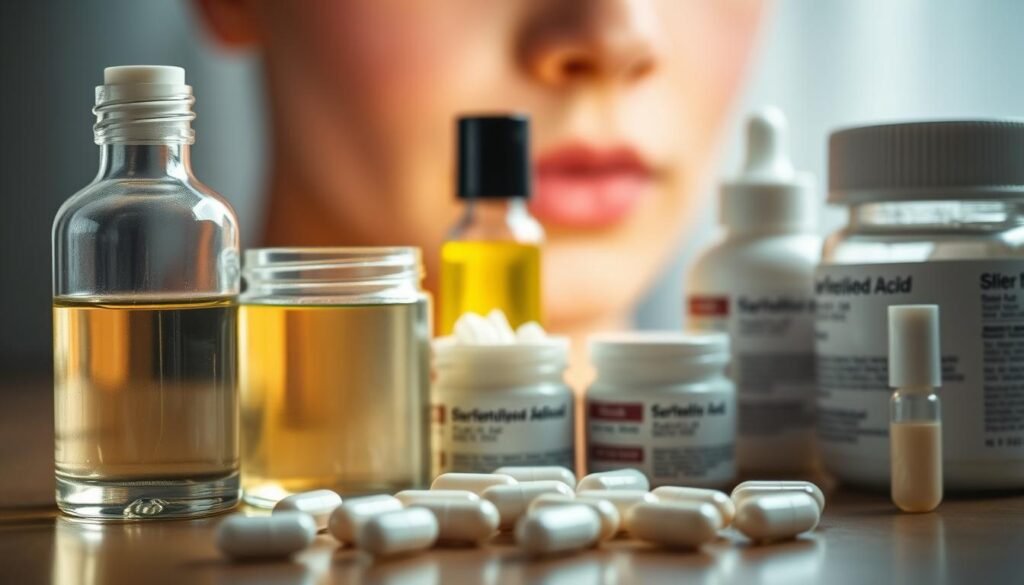
Skincare products with salicylic acid come in many forms. You can find gels, lotions, ointments, pads, solutions, and cleansers. These products have different strengths and textures. Prescription formulas and professional peels may have higher concentrations for specific skin issues.
Common over-the-counter and prescription forms
Gels are usually 2%–7% and are good for active blemishes. Apply them once a day. Lotions are about 2% and can be used one to three times a day, depending on your skin.
Ointments, around 3%, are great for spot treatment and dry areas. Pads and solutions range from 0.5%–2% and offer easy, targeted exfoliation. Soaps and cleansers vary from 0.5%–3% and provide gentle daily renewal. Prescription creams and in-office peels are for more severe cases and specific concerns.
Recommended concentrations and frequency for adults
Start with a low dose. Many adults begin with 0.5%–2% in pads, cleansers, or solutions for daily use. Two percent gels and lotions are common OTC standards for ongoing acne treatment. Use 2%–7% gels once daily if your skin can handle them.
Save ointments at about 3% for spot care. Higher concentrations should only be used under a dermatologist’s supervision. Avoid using salicylic acid over large areas or under occlusion. Always follow the product’s instructions and your dermatologist’s advice when increasing the strength.
How to patch-test and adjust for your skin
Test new salicylic acid products by applying a small amount to the inner forearm or behind the ear for two to three days. Watch for redness, stinging, or rapid peeling.
If you experience sensitivity, reduce frequency, switch to a lower concentration, or stop use and see a dermatologist. When introducing a chemical exfoliant, start with every-other-day use or as a cleanser to build tolerance. Use moisturizers with ceramides or hyaluronic acid to reduce dryness.
| Form | Typical Concentration | Common Use | Frequency |
|---|---|---|---|
| Gels | 2%–7% | Targeted blemish control and acne treatment | Once daily |
| Lotions | ~2% | All-over application for oily or combination skin | 1–3 times daily |
| Ointments | ~3% | Spot treatment, drier formulations | As needed |
| Pads & Solutions | 0.5%–2% | Targeted exfoliation and pore clearing | 1–3 times daily |
| Soaps/Cleansers | 0.5%–3% | Daily cleansing with gentle exfoliation | Daily or as directed |
| Prescription/Peels | Higher, clinician-determined | Professional chemical exfoliant for scarring and hyperpigmentation | Clinic schedule or dermatologic guidance |
Integrating salicylic acid into your skincare routine and product choices
Start by adding salicylic acid treatment in small steps. Use a gentle cleanser first, then apply a targeted salicylic acid product to oily zones. This method helps you test tolerance and limits irritation while working toward acne prevention.
Pairing with cleansers, moisturizers, and other active ingredients
Choose a salicylic acid cleanser in the 0.5%–3% range for daily use. Pair that with moisturizers that contain ceramides or hyaluronic acid to keep the barrier strong and hydrated. Niacinamide blends well with salicylic acid and can reduce redness without undermining exfoliation treatment.
Be cautious when layering strong actives. If you use benzoyl peroxide or prescription retinoids, introduce one product at a time. Overlap can cause dryness and sensitivity. For many people, alternating nights works better than stacking both in one routine.
Recommended product types for acne-prone, oily, or combination skin
For oily skin, lightweight salicylic acid gels, pads (0.5%–2%), and clay-to-foam cleansers with kaolin or hectorite help control shine and unclog pores. For combination skin, target the T-zone with leave-on salicylic treatments while using a balanced, ceramide-rich moisturizer on drier areas.
If your skin trends dry or sensitive, pick lower concentrations and formulas that include glycerin or hyaluronic acid. Consider short contact times and less frequent application to reduce irritation while keeping acne prevention effective.
When professional-strength exfoliation or peels are appropriate
Professional salicylic peels use higher concentrations that are dermatologist recommended for stubborn acne, acne scars, or pigment issues. If over-the-counter approaches fail after several weeks, consult a dermatologist to discuss in-office exfoliation treatment or combined therapies.
A dermatologist can tailor peel strength, occlusion protocols, and post-procedure care to your skin type. This reduces risk and improves outcomes for deeper exfoliation or chemical peels.
| Skin Type | Recommended Salicylic Format | Complementary Ingredients | Usage Tip |
|---|---|---|---|
| Oily / Acne-prone | Gels, pads (0.5%–2%), clay cleansers | Niacinamide, kaolin, ceramides | Use daily; spot-treat inflammatory lesions with BPO if tolerated |
| Combination | Targeted leave-on treatments for T-zone | Ceramides, hyaluronic acid | Apply only to oily areas; protect dry zones with richer moisturizer |
| Dry / Sensitive acne-prone | Lower concentration serums, mild cleansers | Glycerin, hyaluronic acid, ceramides | Limit frequency; perform patch-test before face-wide use |
| Persistent / Scarring | Professional salicylic peels (dermatologist recommended) | Post-peel emollients, SPF, topical antioxidants | Seek dermatologist evaluation for tailored protocols |
Safety, side effects, and precautions for using salicylic acid
Before starting a salicylic acid treatment, know the safety basics. Always read the product labels and follow the instructions. Use a gentle cleanser and don’t layer multiple exfoliants on the same day.
If your skin is dry or sensitive, start slow. Use a moisturizer with ceramides, squalane, or hyaluronic acid after applying. For tips on using salicylic acid on dry skin, check out this resource: dry skin and salicylic acid.
Common side effects and how to manage them
You might feel mild side effects like tingling, stinging, itching, peeling, or dry patches. These are normal as your skin adjusts. For dry skin, use it 2–3 times a week and consider a lower concentration of 0.5%–1% if irritation persists.
To manage mild irritation, use a hydrating routine. Apply a non-comedogenic moisturizer after treatment. Avoid other harsh treatments and give your skin time to heal. If you see marked redness, blistering, or persistent discomfort, stop using it and get medical advice.
Risks, toxicity, and safe application practices
Topical salicylic acid toxicity is rare but can happen with prolonged or occluded treatment on large areas. Don’t apply high-concentration peels at home without a professional. Avoid using plastic wrap or airtight dressings over treated skin. Always follow the manufacturer’s directions and your dermatologist’s advice.
Watch for signs of salicylate toxicity like persistent headache, tinnitus, nausea, vomiting, or confusion. If you notice these, stop using it and seek medical help right away. Keep products out of children’s reach and never use adult-strength on young skin without a doctor’s guidance.
Special populations and drug interactions
Some groups need extra caution. Children may be more prone to irritation, so talk to a pediatrician or dermatologist before using it. Pregnant and breastfeeding women should also discuss its use with their healthcare provider, even though topical applications are usually okay, according to the American College of Obstetricians and Gynecologists.
If you have liver or kidney disease, diabetes, blood vessel disorders, or active infections like chickenpox, tell your doctor. Also, inform them about any current medications and supplements, as some can affect bleeding risk or systemic absorption. Avoid mixing several high-strength actives without a doctor’s advice.
| Issue | Signs to Watch | Practical Steps |
|---|---|---|
| Local irritation | Tingling, redness, peeling, dry patches | Reduce frequency, lower concentration, use hydrating moisturizer |
| Serious skin reaction | Blistering, severe pain, spreading rash | Stop use, seek dermatology or urgent care |
| Systemic toxicity | Headache, tinnitus, nausea, confusion | Discontinue product, seek immediate medical attention |
| Special populations | Children, pregnant or breastfeeding, chronic illness | Consult pediatrician, obstetrician, or primary care provider before use |
| Drug interactions | Medications affecting bleeding or renal function | Review medication list with provider to assess risks |
Conclusion
Salicylic acid is a top choice for mild acne and keeping skin clear. It works by removing dead skin, clearing pores, and reducing blackheads and whiteheads. You’ll see results over time, but if your acne doesn’t get better, see a dermatologist.
Find the right product for your skin by looking at the type and strength. Gels, lotions, pads, and cleansers have different uses. Always test new products on a small area first.
Using salicylic acid with other good ingredients can help. Things like niacinamide, ceramides, or hyaluronic acid can reduce irritation and keep your skin healthy. But, be careful of side effects and rare dangers. Use it wisely and follow your dermatologist’s advice for the best results.
FAQ
What is salicylic acid and why is it effective as an acne treatment?
Salicylic acid is a beta‑hydroxy acid that can easily get into pores. It helps break down dead skin cells and clear out blackheads and whiteheads. It also reduces oil and prevents future blemishes when used regularly.
It works best when combined with ingredients like niacinamide, ceramides, and hyaluronic acid. These help soothe and protect the skin.
How does salicylic acid work on oily skin and clogged pores?
Salicylic acid loosens the “glue” that holds dead skin cells together. This helps unclog pores and reduce the risk of inflammation. It also makes it easier for other treatments to work better.
Many products, like gels and clay cleansers, help control oil and keep pores open.
How long does it take to see results and when should I consult a dermatologist?
You might see better oil control in a few days. But, it can take weeks to really see a difference in acne. If you don’t see improvement after six weeks, or if your acne is severe, see a dermatologist.
A dermatologist can suggest stronger treatments or combinations that are right for you.
What product formats and concentrations of salicylic acid are commonly available?
You can find salicylic acid in cleansers, pads, gels, and ointments. Concentrations range from 0.5% to 7%. Choose a product that fits your skin type and needs.
Cleansers are good for daily oil control, pads for spot treatments, and gels or lotions for everyday use.
What concentrations and frequency are recommended for adults?
Start with a lower concentration, like 0.5%–2%, and use it daily or every other day. A 2% gel or lotion is a common choice for daily use. Ointments are for spot treatments.
Higher concentrations and peels should only be done under a dermatologist’s care.
How should I patch‑test salicylic acid and adjust use for sensitivity?
Test it on your inner forearm or behind your ear for 2–3 days before using it everywhere. If you get a bad reaction, start with a lower concentration or stop using it.
Start with it every other day or as a cleanser. Then, increase how often you use it as your skin gets used to it. Use a moisturizer with ceramides or hyaluronic acid to keep your skin moist.
How do I combine salicylic acid with cleansers, moisturizers, and other active ingredients?
Use a gentle cleanser or a salicylic acid cleanser to clean your skin. Mix it with ingredients like niacinamide, ceramides, and hyaluronic acid to calm and protect your skin.
Be careful when using strong products together. Start with one active ingredient at a time. Use a moisturizer to prevent dryness.
Which product types are best for acne‑prone, oily, or combination skin?
For oily and acne-prone skin, use 0.5%–2% salicylic acid gels, pads, and clay cleansers. For combination skin, apply treatments to oily areas and moisturize dry areas with balanced products.
For sensitive skin, start with lower concentrations and use products with glycerin or hyaluronic acid.
When are professional‑strength salicylic peels appropriate?
Use professional peels for severe acne, scarring, or hyperpigmentation when OTC treatments don’t work. A dermatologist can safely use stronger peels and guide you on how to care for your skin before and after.
What are common side effects and how can I manage them?
You might feel tingling, stinging, itching, peeling, or dryness. If it’s mild, try using it less often or switching to a lower concentration. Use a moisturizer with ceramides or hyaluronic acid to keep your skin moist.
If it gets worse, stop using it and talk to a doctor.
What are the risks, signs of toxicity, and safe application practices?
Rarely, using too much salicylic acid can be toxic. Look out for headaches, tinnitus, nausea, vomiting, confusion, and breathing changes. If you experience these, get medical help right away.
To avoid risks, follow the product instructions, don’t use it under wraps, and don’t use high-strength products without a doctor’s help.
Is salicylic acid safe during pregnancy and breastfeeding?
Topical salicylic acid is usually okay during pregnancy, but talk to your doctor first. Avoid applying it to areas that could touch your baby if you’re breastfeeding. Always check with your healthcare provider if you’re unsure.
Are there special precautions for children or people with medical conditions or drug interactions?
Kids might be more sensitive, so ask a pediatrician or dermatologist before using it. Tell your doctor if you have certain health conditions or take medications that could interact with salicylates. Be careful not to mix too many strong products without a doctor’s advice.
