


After a long run in Central Park, you notice your cheeks are flushed and tight. You slice open an aloe vera leaf and smooth the gel over your face. Within minutes, your skin feels cooler, hydrated, and less irritated.
This plant, Aloe barbadensis, has a long history and real science behind it. For centuries, people have used aloe vera for skin to soothe sunburns and support hydration. Modern studies confirm the gel contains vitamins, enzymes, and antioxidants that make it an effective moisturizer and a gentle option for face routines.
In this article, you’ll learn how aloe vera works, its benefits, and how to choose between fresh gel and commercial products. You’ll also find practical ways to add aloe vera to your routine. Consistent use with hydration, sunscreen, and good sleep will help you get the best results from aloe vera for skin.
Key Takeaways
- Aloe vera for skin offers soothing, moisturizing, and antioxidant benefits.
- Fresh aloe gel is an affordable, natural moisturizer you can use daily.
- Aloe vera for face works best when paired with SPF, hydration, and healthy habits.
- Clinical evidence supports aloe’s role in treating sunburn and improving hydration.
- You’ll find both fresh-leaf and commercial aloe vera skin care options to fit your routine.
The science behind aloe vera and skin health
Aloe vera has been used for centuries for skin care. Today, we know how it works at a molecular level. It contains vitamins, minerals, enzymes, and antioxidants. These help keep your skin moist and healthy.
Active compounds that benefit your skin
Scientists have found between 751 and 2,002 active compounds in aloe vera. Key ones include mucopolysaccharides, aloin, and salicylic acid. These help hydrate, calm inflammation, and control oil and bacteria.
Vitamins C and E fight free radicals. Amino acids strengthen the skin. Polysaccharides keep water in, making the skin softer and more resilient.
How aloe vera supports collagen, elasticity, and moisture
Aloe vera helps keep your skin firm. Vitamin C boosts collagen and brightens skin. Vitamin E protects against damage that causes wrinkles.
Mucopolysaccharides and polysaccharides hold moisture, improving elasticity. Small molecules in the gel help it absorb into the skin. This makes your skin smoother.
Safety, allergies, and what the research says
Most people can use aloe vera on their skin safely. But, some might experience redness or burning. Dermatologists say allergic reactions can happen, especially from certain compounds or additives.
It’s a good idea to do a patch test before using it regularly. Studies show aloe vera helps with burns, acne, and skin discoloration. If you get a rash, stop using it and see a dermatologist.
Benefits of aloe vera for skin: what you can expect
Adding aloe vera to your routine can bring clear benefits. Both fresh gel and quality products moisturize, calm inflammation, and aid in skin repair. Here are the main effects you might see from using aloe vera gel regularly.
Hydration and daily moisturizing benefits
Aloe’s inner leaf is full of water and mucopolysaccharides. These help keep your skin moist. Using aloe vera gel as a lightweight moisturizer boosts your skin’s water content.
It’s great for dry or combination skin. Many people mix it with serums or lotions for extra hydration. Choose brands like Aloe Vera of America or Lily of the Desert for high-quality aloe.
Soothing sunburns, burns, and irritation
Fresh aloe gel cools and hydrates sunburned or inflamed skin. Studies show it helps heal burns and reduces UV exposure discomfort. Avoid commercial gels with alcohol or fragrances for sunburn treatment.
For minor burns, apply thin layers of pure gel and reapply as needed. Be cautious with products containing benzocaine or other anesthetics to avoid irritation.
Acne, inflammation, and spot treatment potential
Aloe has antimicrobial and anti-inflammatory properties. It contains compounds that help unclog pores. Clinical studies support its use as an adjunct to acne treatments.
Use aloe vera for acne as a spot treatment, not a replacement for doctor’s advice. Patch-test it on sensitive skin before use. Apply a thin layer after cleansing or mix with a non-comedogenic moisturizer.
Anti-aging, dark spots, and skin tone improvements
Aloe stimulates production of hyaluronic acid, collagen, and elastin. This supports skin elasticity and reduces fine lines. Regular use may improve firmness and hydration, fighting early aging signs.
Aloesin and other compounds in aloe show promise for treating hyperpigmentation. For brighter, more even skin, use aloe with daily SPF. Look for products that standardize aloesin concentration.
Aloe vera for skin: choosing fresh gel versus commercial products
Choosing between fresh gel and commercial products can be tricky. This guide helps you decide what’s best for your skin and skincare routine. We’ll compare fresh aloe gel with commercial options.
Fresh aloe leaf advantages
Using gel from an Aloe vera leaf gives you instant cooling and hydration. It’s full of compounds that soothe redness and help minor wounds heal faster. Many people who grow Aloe vera at home use it for sunburn relief and making DIY sprays.
Fresh gel doesn’t have many preservatives found in store-bought gels. It’s a purer ingredient for specific uses like after-sun care or calming masks.
How to read labels and choose quality commercial aloe vera gel
When shopping, look for products with aloe vera high on the list. Brands like Lily of the Desert and Aubrey Organics highlight their aloe content and organic sources.
Stay away from gels with alcohols, parabens, artificial fragrances, and dyes. Opt for cold-pressed, 100% pure formulas to keep more of aloe’s benefits. If you have sensitive skin, pick a trusted brand and check the label for irritants.
Learn more about aloe’s benefits for aging and sensitive skin at natural skincare ingredients for over 40. It explains why purity is key in your routine.
Aloe extract versus whole-leaf gel
Aloe extract in serums can soothe, but it’s concentrated. It might not have all the plant’s compounds found in whole-leaf gel. For quick relief from sunburn or irritation, whole-leaf or 100% pure gel is usually better.
For daily hydration, consider a serum with aloe extract and hyaluronic acid or glycerin. Choose based on how you plan to use it in your skincare routine.
| Feature | Fresh Aloe Leaf | Commercial 100% Gel | Extract-Based Product |
|---|---|---|---|
| Purity of compounds | Complete profile of natural compounds | High if labeled 100% and cold-pressed | Targeted compounds, may lack full spectrum |
| Shelf life | Short; best used immediately | Longer with preservatives; check expiry | Stable when formulated with preservatives |
| Suitability for sensitive skin | Excellent when cleaned properly | Good if free of fragrances and alcohols | Depends on carrier ingredients; read labels |
| Best use | Immediate soothing, DIY masks, sprays | Daily moisturizing, aftercare, sunburn relief | Serums, combined hydrating formulas |
| Convenience | Requires plant and prep | Ready to use, portable | Often lightweight and fast-absorbing |
How to use aloe vera gel for skin in your skincare routine
Aloe vera gel is a gentle, versatile ingredient for daily care and targeted treatments. It works as a base hydrator, a light layer before sunscreen, or a calming aftercare option. Here are practical ways to incorporate aloe vera into your routine.
Daily aloe vera skincare routine suggestions
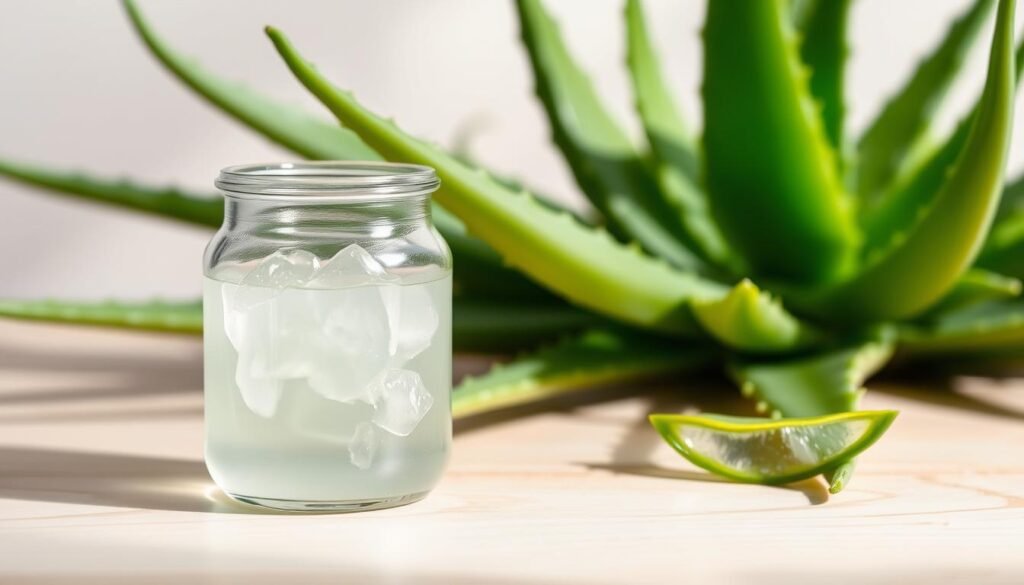
Begin with clean skin. Apply fresh or pure aloe vera gel to damp skin to enhance absorption. Gently massage for 5–10 minutes, then leave it on for 20 minutes or overnight if your skin can handle it.
Use aloe vera as a lightweight moisturizer instead of heavy creams for a non-greasy finish. Follow with a thin occlusive, like ceramide-rich cream or a silicone-based serum, to seal in moisture.
To hydrate the stratum corneum, layer aloe gel under water-based serums. Repeat daily to keep your skin calm and hydrated.
Targeted treatments: masks, spot treatments, and toners
Try short masks with aloe, honey, oatmeal, or cucumber juice for 5–20 minutes. For a tightening mask, mix aloe with egg white and apply for 10–15 minutes. Avoid masks longer than 20 minutes to prevent irritation.
Make a soothing toner by blending aloe gel with rose water and a drop of tea tree oil. Use as a mist before applying your moisturizer to add hydration and light antibacterial support.
For blemishes, dab pure aloe vera for face onto spots at night. The natural compounds offer antimicrobial and anti-inflammatory effects. Use spot treatment nightly until the blemish fades.
Post-sun and aftercare uses
After sun exposure, apply 100% pure aloe vera gel to cool and rehydrate sunburned areas. Avoid formulas with fragrance or strong preservatives when treating burns.
Create a soothing after-sun spray by mixing aloe with distilled water and a few drops of chamomile or lavender oil. Mist lightly to reduce peeling and support healing of first- and second-degree burns.
For ongoing aftercare, use aloe as a calming layer under your moisturizer. Regular use in your aloe vera skincare routine can help maintain skin barrier health and reduce long-term irritation.
Aloe vera for acne, sensitive skin, and specific conditions
You can use aloe gel in targeted ways to manage breakouts, soothe reactive skin, and care for scalp issues. Use fresh leaf gel for spot calming and quick relief. Always patch-test any new product before applying it widely to avoid allergic reactions from anthraquinones or added fragrances.
Using aloe for acne-prone skin
Apply pure aloe vera for acne as a spot soother after cleansing. The gel has antimicrobial and anti-inflammatory compounds. It also has small amounts of salicylic-like acids that help calm swelling and reduce bacteria. Studies show topical aloe paired with tretinoin can improve outcomes, so treat aloe as an adjunct treatment, not a replacement for prescription medicine.
For oil-control masks, mix fresh gel with clay and a drop of tea tree oil to support pore clearing. Use lightweight aloe toners to help balance skin without stripping. If you notice stinging or redness, stop and consult your dermatologist.
Aloe for sensitive, eczema, and psoriasis-prone skin
Aloe vera for sensitive skin can reduce redness and scaling by supporting barrier repair and lowering inflammation. Clinical reports indicate aloe may ease psoriasis symptoms and soothe eczema flares when used alongside prescribed therapies. Choose pure, fragrance-free formulations to minimize risk.
When the skin barrier is compromised, aloe acts as a mild antiseptic against some bacteria and fungi. This helps prevent secondary infection. Always perform a patch-test behind the ear or on the inner forearm before broader use.
Scalp, dandruff, and stretch mark applications
As an aloe vera scalp treatment, gel can calm itch, reduce flaking, and add shine when massaged into the scalp before shampooing. Regular masks with pure gel strengthen follicles and may lessen seborrheic dermatitis symptoms.
For stretch marks, consistent topical application of aloe vera for skin conditions may improve texture. It promotes collagen and elastin support. Apply daily to new or existing marks and combine with gentle massage for better absorption.
Practical tips, DIY recipes, and precautions
Get the most from aloe vera gel by mixing simple care with safe recipes at home. Start with small steps, like patch-testing new mixes on your inner forearm. Add new products to your skincare routine one at a time. Keep mask times short and avoid mixing raw aloe with strong products like retinoids or acids.
Simple at-home recipes to try safely
- Pure fresh gel: Scoop clear gel from a chilled leaf and apply as a lightweight moisturizer for calm, hydrated skin.
- Aloe + honey + oatmeal mask: Mix 2 tbsp aloe vera gel for skin, 1 tbsp honey, 1 tbsp ground oats. Apply 10–15 minutes, rinse gently.
- Aloe + cucumber + honey cooling mask: Combine 2 tbsp aloe, 2 tbsp blended cucumber, 1 tsp honey. Use for soothing after sun exposure.
- Aloe + egg white tightening mask: Whip 2 tbsp aloe with 1 egg white. Add a drop of lemon only if your skin tolerates acids. Leave 8–12 minutes then rinse.
- Aloe toner: Mix 1/4 cup aloe with 1/4 cup rose water and a few drops of tea tree oil. Use sparingly if you have sensitivities.
- Overnight aloe + vitamin E: Mix 2 tbsp aloe with the oil from a vitamin E capsule and dab on dry patches overnight.
Storage, shelf life, and maximizing potency
Fresh gel is the most potent. Store it in a sealed container in the fridge and use within a few days. For longer use, choose cold-pressed or 100% organic gels with clear expiration dates.
Freeze extra gel in ice cube trays for single-use applications. Thawed cubes are great for sunburn or inflammation. Follow directions for store-bought products with stabilizers; they last longer than fresh gel.
When to consult a dermatologist and avoid use
If you notice redness, burning, stinging, widespread rash, or swelling after applying a mix, stop use and seek medical advice. Allergic reactions may come from natural anthraquinones like aloin or from additives in commercial formulas.
Do not use DIY preparations on deep, infected, or severe burns. See a dermatologist for persistent or worsening eczema, psoriasis, acne that does not improve, or suspected skin infection. Pair topical care with SPF and a balanced lifestyle for safer, more effective results when you include aloe vera DIY steps in your routine.
Conclusion
Aloe vera for skin has been used for ages and is backed by science. It hydrates gently, reduces inflammation, and helps with healing and collagen. Choose fresh leaf gel or a top-quality 100% product for these benefits.
Use aloe vera daily as a moisturizer, after sun exposure, or for spot treatments. Always test it first and avoid harsh additives. Pair it with sunscreen and other treatments to keep your skin safe and healthy.
Aloe vera is generally safe for many skin issues, like acne and sensitivity. But, if you have severe problems, talk to a dermatologist. With regular use of pure gel, aloe vera can be a great addition to your skincare routine.
FAQ
What is aloe vera (Aloe barbadensis) and why is it used on skin?
Aloe vera, also known as Aloe barbadensis, is a plant with healing properties. Its inner leaf gel is full of water, vitamins, and minerals. It’s great for hydrating and soothing the skin.
It can help with minor burns, sunburns, and even improve skin tone. Many people use it as a moisturizer or to calm acne-prone areas.
What active compounds in aloe vera actually benefit the skin?
Aloe vera has many active compounds. These include mucopolysaccharides, vitamins C and E, and amino acids. It also has aloesin, salicylic acids, and antioxidants.
These compounds help retain moisture, support collagen, and protect against UV rays.
How does aloe vera support collagen, elasticity, and moisture?
Aloe vera stimulates the production of hyaluronic acid, collagen, and elastin. This improves skin elasticity and reduces fine lines. Its mucopolysaccharides and water content help retain moisture.
It’s a great hydrator and can be used as a base layer before applying an occlusive.
Is aloe vera safe? Could it cause allergies or irritation?
Topical aloe vera is generally safe but can cause redness or irritation. Rarely, it can lead to dermatitis. Allergic reactions are often due to certain compounds or additives in commercial products.
Always patch-test a new product or fresh gel on a small area. Stop use if irritation worsens. Consult a dermatologist for severe reactions.
Will aloe vera help hydrate my dry skin daily?
Yes, aloe vera gel is an effective moisturizer. It increases water content in the skin and is non-greasy. Use it daily, especially if you prefer a lightweight moisturizer.
Follow with an occlusive for longer hydration if needed.
Can I use aloe vera for sunburns and minor burns?
Yes, aloe vera can help with sunburns and minor burns. It soothes, rehydrates, and reduces inflammation. Choose pure, additive-free gels for sunburned skin.
Avoid products with alcohol or fragrances. Seek medical care for severe burns.
Does aloe vera help with acne and inflammation?
Aloe vera has antimicrobial and anti-inflammatory properties. It can reduce swelling and bacterial load. Studies show it can be effective with acne treatments.
Use it as a spot treatment or calming layer. But don’t replace prescribed medications for moderate or severe acne.
Can aloe vera reduce fine lines, sagging, or dark spots?
Aloe vera may help with fine lines, sagging, and dark spots. Its vitamins, antioxidants, and stimulation of hyaluronic acid and collagen improve skin texture. Aloesin can reduce hyperpigmentation.
Expect gradual improvements. Pair aloe with sunscreen and healthy habits for the best results.
Should I use fresh aloe leaf gel or a commercial aloe vera product?
Fresh whole-leaf gel is often most potent. If you grow a plant, scoop fresh gel and use it quickly or refrigerate/freeze in cubes. Quality commercial gels are convenient if they list pure aloe as a primary ingredient.
Read labels and choose trusted brands.
Is aloe extract in skincare formulas as effective as whole-leaf or pure gel?
Aloe extract in formulations can provide hydration, especially when paired with other active ingredients. However, it may be more diluted and lack the full spectrum of compounds present in fresh whole-leaf gel.
For targeted uses like sunburn relief or potent topical effects, pure or 100% whole-leaf gel is generally more reliable.
How do I use aloe vera gel in my daily skincare routine?
Apply pure aloe gel to clean skin as a lightweight moisturizer or calming layer. Massage 5–10 minutes and leave it on for 20 minutes or overnight for deeper hydration. Follow with an occlusive if needed.
Use daily in the morning or evening, and always pair with SPF during the day to protect gains in elasticity and skin tone.
What targeted treatments can I make with aloe vera (masks, toners, spot treatments)?
Simple, safe options include aloe + honey + oatmeal masks for soothing and barrier support; aloe + cucumber + honey cooling masks; aloe + egg white tightening masks; aloe toner made with rose water and a few drops of tea tree oil for acne-prone skin; and overnight aloe + vitamin E for nourishment.
Keep masks under 20 minutes, patch-test blends, and avoid mixing with harsh actives that may increase irritation.
How should I use aloe vera after sun exposure?
Apply 100% pure aloe gel to sunburned areas for cooling relief and hydration. Avoid products with fragrances or irritating preservatives on compromised skin. For DIY after-sun sprays, blend fresh gel with soothing hydrosols like rose or chamomile.
Seek medical care for severe burns or suspected infection.
Is aloe suitable for acne-prone and sensitive skin types?
Aloe can be very helpful for acne-prone and sensitive skin. Use it as a gentle toner, topical spot treatment, or lightweight moisturizer. Patch-test first; if you react, discontinue.
For persistent or severe acne, use aloe as an adjunct to—never a replacement for—medical treatments prescribed by a dermatologist.
Can aloe vera help eczema, psoriasis, scalp issues, and stretch marks?
Yes—topical aloe has been shown to reduce redness, scaling, and irritation in psoriasis and can soothe eczema by calming inflammation and supporting the barrier. Applied to the scalp, aloe can soothe irritation, reduce dandruff, and strengthen follicles.
Some research supports topical aloe for reducing and preventing stretch marks through collagen and elastin stimulation. Consistent application is key.
How long does fresh aloe gel last and how should I store it?
Fresh gel is most potent but perishable. Store refrigerated and use within a few days to a week. Freeze portions in ice cube trays for later use and for cooling applications.
Commercial gels with preservatives will last longer—follow the manufacturer’s shelf-life guidance. Choose cold-pressed, organic products when possible to maximize potency.
What precautions should I take and when should I see a dermatologist?
Always patch-test new products, avoid fragranced or alcohol-containing gels on broken or sunburned skin, and discontinue use if you experience redness, burning, or dermatitis. See a dermatologist for severe burns, infected wounds, worsening eczema, psoriasis, or persistent acne that doesn’t respond to topical measures.
If you suspect an allergic reaction or systemic symptoms, seek medical care promptly.
How often should I use aloe for best results and how long until I see changes?
Consistent, daily use yields the best outcomes. For hydration and soothing, you may see immediate improvements in feel and redness. For collagen, elasticity, and hyperpigmentation improvements expect weeks to months of regular application.
Combine aloe with sunscreen, hydration, adequate sleep, a balanced diet, and exercise to enhance results.
