

When it comes to healthy hair growth, most people focus on what they apply externally: shampoos, oils, serums, and treatments. While these products can certainly help maintain your strands, the real foundation for vibrant, growing hair starts much deeper inside your body. Nutrition plays a central role in supporting strong, healthy hair. In fact, what you eat has the power to either nourish or hinder the health of your follicles. If your body lacks essential nutrients, your hair is one of the first places to show signs of trouble.
Hair is primarily made of a protein called keratin, and it is one of the fastest-growing tissues in the body. But unlike vital organs like your heart, brain, or liver, your body doesn’t prioritize your hair when nutrients are limited. Instead, it diverts those resources to keep critical systems running, which means your hair is often the first to suffer during dietary deficiencies.
The journey of a single strand of hair from the bulb of the follicle to the visible strand requires a consistent supply of nutrients. Without the right internal support, the hair growth cycle can slow down, weaken, or even stop altogether. That’s why nourishing your body with the right foods, vitamins, and minerals is essential if you’re serious about boosting your hair health from the inside out.
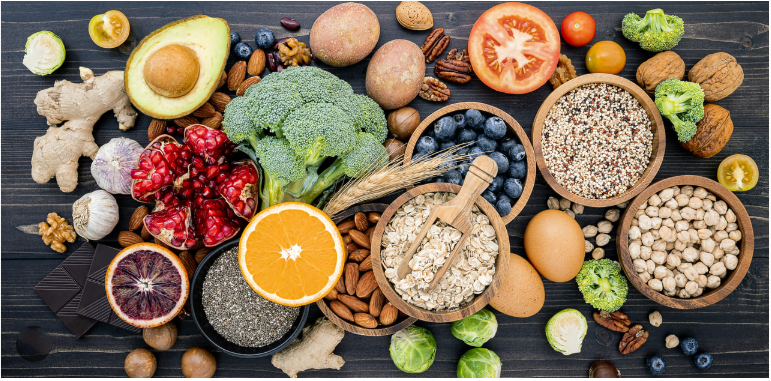
Whole foods offer the most bioavailable source of hair-friendly nutrients. One of the best foods for hair growth is eggs. They’re rich in protein, which forms the building blocks of hair, and biotin, a B-vitamin essential for keratin production. Eggs also contain vitamin D, which is linked to the health and cycling of hair follicles.
Fatty fish like salmon, mackerel, and sardines are packed with omega-3 fatty acids that support scalp hydration, reduce inflammation, and keep the hair shaft strong and shiny. These fish are also high in protein and B vitamins, making them a complete package for hair growth.
Spinach and other leafy greens are powerhouse sources of iron, folate, and vitamin A. Iron is critical for carrying oxygen to your hair follicles, and low iron levels are a common cause of hair thinning, especially in women. Vitamin A helps the skin glands produce sebum, an oily substance that moisturizes the scalp and keeps hair healthy.
Berries are loaded with antioxidants and vitamin C. Vitamin C aids collagen production, which strengthens the hair shaft, and helps your body absorb iron. A few strawberries, blueberries, or raspberries added to your breakfast can go a long way toward boosting follicle function.
Nuts and seeds, particularly almonds, sunflower seeds, flaxseeds, and walnuts, are rich in zinc, selenium, and vitamin E. These nutrients act as antioxidants, protecting hair follicles from oxidative stress, while supporting tissue growth and repair. Just a small handful each day can deliver powerful benefits.
Avocados are a source of healthy fats and vitamin E, which improves blood circulation and supports hair follicles. They’re also hydrating, helping to keep your hair soft and resilient.
Legumes like lentils and beans offer plant-based protein, iron, and biotin. They’re especially useful for people following vegetarian or vegan diets, ensuring hair receives the critical nutrients it needs without animal products.
Of course, food isn’t the only source of essential hair nutrients. Specific vitamins and minerals have been shown to directly impact hair growth. Among the most important is vitamin A, which supports cell growth throughout the body, including hair cells. However, too much vitamin A can lead to hair loss, so it’s best obtained through food rather than supplements unless directed by a doctor.
Biotin, also known as vitamin B7, is perhaps the most well-known hair supplement. It plays a key role in the production of keratin and helps strengthen the hair shaft. While biotin deficiency is rare, boosting levels through diet or supplementation can support hair resilience.
Vitamin C is a powerful antioxidant that protects hair from damage caused by free radicals. It also supports collagen production, which maintains hair structure, and improves iron absorption—key for oxygenating follicles.
Vitamin D helps create new hair follicles and may reactivate those that have become dormant. Many people are deficient in vitamin D, especially during winter months or if they don’t get much sun exposure. This deficiency has been linked to certain types of hair loss, including alopecia areata.
Vitamin E improves circulation and supports healthy scalp conditions. Like vitamin C, it also serves as an antioxidant, helping to protect hair follicles from oxidative stress.
Iron is critical for growth because it helps red blood cells carry oxygen to cells. Hair follicles, being rapidly growing tissues, need oxygen-rich blood to function properly. Iron deficiency is a well-known trigger of excessive shedding, especially among menstruating women.
Zinc helps with hair tissue growth and repair. It also supports the oil glands surrounding the follicles. A lack of zinc can lead to hair loss and a dry, flaky scalp.
Protein, though not a vitamin, is arguably the most essential nutrient for hair health. Keratin, the main structural component of hair, is built from amino acids obtained through dietary protein. Without enough of it, hair can become weak, brittle, and slow to grow.
With all this information, it’s natural to wonder: should you take a hair growth supplement?
The answer depends on your individual situation. If you eat a balanced, nutrient-rich diet, you may not need supplements. However, if blood tests reveal a deficiency or if you follow a restricted diet (like veganism or keto), a supplement could help. The key is to choose one with safe, evidence-backed ingredients and to avoid mega-doses, which can do more harm than good. For instance, taking excessive vitamin A or iron without medical guidance can actually lead to hair thinning or other health issues.
Hair gummies have become popular, but not all are created equal. Many are loaded with sugar and contain low levels of the actual vitamins needed. Look for supplements that offer at least 100% of your daily requirements for key hair-supporting vitamins, without unnecessary fillers or artificial colors.
There are also some telltale signs your hair may be suffering due to nutritional deficiencies. If your strands are shedding more than usual, breaking easily, growing more slowly, or feeling dry and lifeless, your diet might be to blame. This is especially likely if you’ve recently been sick, lost a lot of weight quickly, or changed your eating habits.
To build a diet that supports hair from the inside out, focus on balance. Every meal should ideally include protein, healthy fats, fiber, and a mix of fruits and vegetables. Hydration also matters. Your hair cells need water to stay elastic and function properly. Drinking enough water each day can make a visible difference in hair texture and strength.
Meal timing may also play a role. Hair regenerates and repairs itself during sleep, so eating a protein-rich dinner can support overnight repair and follicle health. Smoothies, power bowls, salads with seeds, and hearty breakfasts are easy ways to integrate hair-friendly ingredients into your daily life.
While it may take weeks or even months to see visible changes in your hair from dietary improvements, the benefits go far beyond appearance. Eating for your hair means eating for your health—and vice versa.
So next time you think about growing your hair longer, stronger, or faster, take a look at your plate. Every bite is a chance to nourish your follicles, energize your scalp, and set the stage for growth that’s as real and lasting as your commitment to self-care.
FAQs
- What vitamin is best for hair growth?
Biotin, vitamin D, iron, and zinc are among the most important for supporting healthy hair growth and reducing shedding. - Can I grow hair faster just by changing my diet?
While diet alone won’t make hair grow overnight, it can significantly improve growth rate, thickness, and resilience over time—especially if deficiencies are corrected. - How long does it take to see results from hair supplements?
Typically, 3–6 months of consistent use is needed before you notice significant improvements in growth and texture. - Is hair loss a sign of a vitamin deficiency?
Yes. Deficiencies in iron, vitamin D, biotin, and zinc can all contribute to hair loss or thinning. - Should I take biotin daily?
Biotin is safe in moderate amounts, but unless you have a deficiency, high-dose supplementation may not be necessary. - Can too much vitamin A or iron cause hair loss?
Yes. Overdosing on fat-soluble vitamins or minerals can be toxic and may actually lead to hair thinning. Always consult your doctor. - Are plant-based diets good for hair growth?
Absolutely, as long as you ensure you’re getting enough protein, iron, zinc, and B12, which can be lower in plant-based diets. - Do collagen supplements help with hair?
Some studies suggest that collagen supports the scalp and hair follicle environment, though results can vary. It’s best paired with a healthy diet. - What are signs your hair is protein deficient?
Hair may become brittle, weak, shed excessively, or grow more slowly if you’re not getting enough protein. - Is hydration important for healthy hair?
Yes. Dehydration can make your hair dry and less elastic, increasing breakage and dullness. Drinking enough water daily is crucial.
