

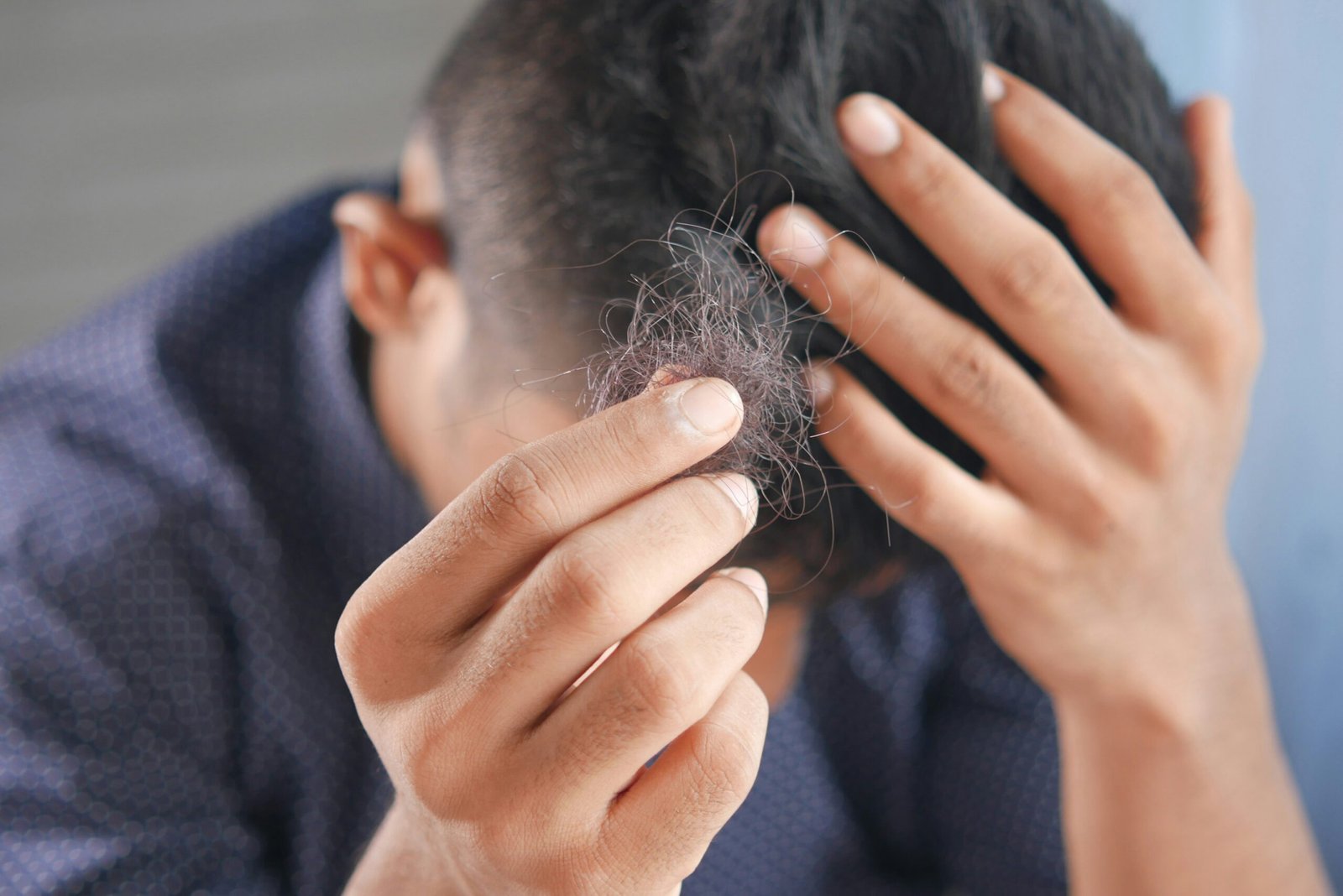
Growing long, healthy hair can feel like a constant struggle, especially when you’re doing everything “right” and still seeing slow growth or excessive breakage. The truth? Many people unknowingly sabotage their own progress through common hair care mistakes. These habits might seem harmless or even beneficial, but over time, they can block growth, weaken your strands, and damage your follicles.
The good news? Most of these issues are entirely fixable. By identifying and eliminating these mistakes, you can restore your hair’s potential and begin your journey toward healthier, fuller growth.
One of the most overlooked culprits is overwashing your hair or using harsh shampoos. While clean hair is important, washing too frequently, especially with products that contain sulfates or alcohols, can strip the scalp of its natural oils. These oils play a key role in maintaining scalp health and hair hydration. Without them, your hair becomes dry, brittle, and more prone to breakage. If you notice that your hair feels squeaky or your scalp becomes tight after washing, it’s time to reconsider your shampoo frequency or switch to a gentler, sulfate-free formula.
Another silent saboteur is poor scalp care. Healthy hair starts with a healthy scalp. Product buildup, dandruff, or clogged follicles can reduce circulation and hinder the growth of new hair. Many people focus solely on their strands and ignore the foundation of their scalp. Skipping scalp exfoliation, not massaging your scalp, or ignoring irritation can slow down the entire hair growth cycle. Regular massages with nourishing oils not only feel great but also help boost blood flow to the follicles, providing them with the necessary nutrients.
Tight hairstyles are another major factor behind slow hair growth and loss. Styles like high ponytails, tight braids, weaves, or buns may look polished, but they put tremendous strain on your hairline and scalp. Over time, this tension can lead to a condition called traction alopecia, where the hair follicle becomes damaged and stops producing new hair altogether. If your scalp feels sore after a style, that’s a red flag. Opt for looser, protective hairstyles that give your hair a break from tension.
Heat styling tools, such as blow dryers, flat irons, and curling wands, are essential in many routines, but when overused or used incorrectly, they can cause significant damage. Without a heat protectant, these tools can burn the cuticle, weaken the hair shaft, and lead to long-term damage. Likewise, frequent chemical treatments such as relaxers, perms, bleaching, or frequent dyeing can degrade the hair’s structure and slow growth by causing breakage. If you rely heavily on heat or chemical styling, consider taking periodic breaks and investing in deep-conditioning masks or protein treatments to help restore moisture and strength.
Many people also make the mistake of avoiding regular trims out of fear that it will slow down their progress. But here’s the truth: split ends don’t just sit at the bottom of your hair, they travel upward, weakening the strand and causing it to break off mid-shaft. Regular trims actually preserve your length over time by preventing breakage. Depending on your hair type and the way you style it, trimming every 8–12 weeks can helpkeep your ends healthy and your hair growing strong.
Nutrition plays a massive role in hair health. Your hair is made primarily of keratin, a protein, and it requires a consistent supply of nutrients to grow. Crash diets, low-protein meals, or deficiencies in key vitamins, such as iron, zinc, biotin, and vitamin D, can cause shedding and slower growth. If your hair is thinning and your diet lacks variety, your body may be prioritizing essential organs over hair production. Fueling your body with whole foods, leafy greens, eggs, fish, legumes, nuts, and plenty of water can help bring your hair back to life.
Stress is another major growth inhibitor. Chronic stress raises cortisol levels, which can prematurely push more hairs into the resting (telogen) phase. This leads to shedding that can become noticeable over time, particularly at the crown or temples. Add in sleep deprivation, and your body’s entire regenerative system suffers, including your hair. Implementing daily stress-reduction techniques, such as deep breathing, yoga, journaling, or exercise, can benefit both your mind and your mane.
Using the wrong products for your hair type can also cause stagnation. Products that are too heavy for fine hair can lead to buildup and clogged follicles, while lightweight products may not offer enough moisture for thicker or curlier textures. Not understanding your hair’s porosity, density, or texture can lead you to waste money on the wrong formulas. Take time to learn what your hair needs and choose clean, ingredient-conscious products that match your specific profile.
One of the most costly mistakes is ignoring early warning signs of hair loss. Many people notice more shedding, wider parts, or a receding hairline and choose to “wait and see.” The earlier you act, the better your chances of restoring growth. Don’t hesitate to consult a dermatologist or trichologist if your hair is falling out in clumps, your scalp is inflamed, or you notice bald patches. Medical conditions like thyroid disorders, hormonal imbalances, and autoimmune diseases can all impact hair health.
Finally, hopping from one trend to another or following random advice from social media can do more harm than good. Hair growth requires consistency, patience, and personalized care. What works for one person may not work for you and that’s okay. The best routine is one that’s sustainable, balanced, and tuned into your body’s signals.
By becoming aware of these common missteps and making simple but strategic changes, you can create an environment where your hair not only survives but thrives. Healthy hair growth isn’t magic, it’s the result of informed, consistent care over time.
FAQs
- How often should I wash my hair for optimal growth?
Generally, 2–3 times a week is sufficient, depending on your hair type and scalp condition. Overwashing can dry out hair and scalp. - What are signs I’m overdoing heat styling?
Look for dryness, brittleness, split ends, and dullness. If your hair sizzles or smells burnt, that’s a clear warning sign. - Can poor diet really cause hair thinning?
Yes. Hair is very sensitive to nutrient deficiencies, especially iron, zinc, biotin, protein, and vitamin D. - What’s the best way to massage the scalp for hair growth?
Use fingertips or a scalp massager in circular motions for 5–10 minutes daily. You can also apply nourishing oils for added benefit. - How do I know if I have traction alopecia?
Signs include receding hairline, soreness, and tiny bumps or redness along pulled areas. Seek help early to prevent permanent damage. - Are split ends stopping my hair from growing longer?
Indirectly, yes. They lead to breakage, which prevents you from retaining length even if hair is growing from the root. - When should I consider seeing a hair specialist?
If shedding increases suddenly, you see patches of loss, or over-the-counter remedies aren’t helping after 3–6 months. - What ingredients should I avoid in shampoos and conditioners?
Avoid sulfates, parabens, drying alcohols, and synthetic fragrances if possible. Look for hydrating and scalp-friendly formulations. - Can stress alone cause noticeable hair loss?
Yes. Chronic stress can lead to telogen effluvium, where more hairs enter the resting phase prematurely and shed in clumps. - How do I rebuild a damaged hair care routine?
Start with moisture, limit heat, simplify your product lineup, and stay consistent. Incorporate trims and balanced nutrition for faster recovery.
