


Human hair plays a crucial role not only in appearance but also in identity and self-confidence. Whether you’re aiming for longer locks, struggling with thinning hair, or simply curious about how the body produces hair, understanding the intricacies of hair growth can help you make informed decisions about your hair care routine and overall health.
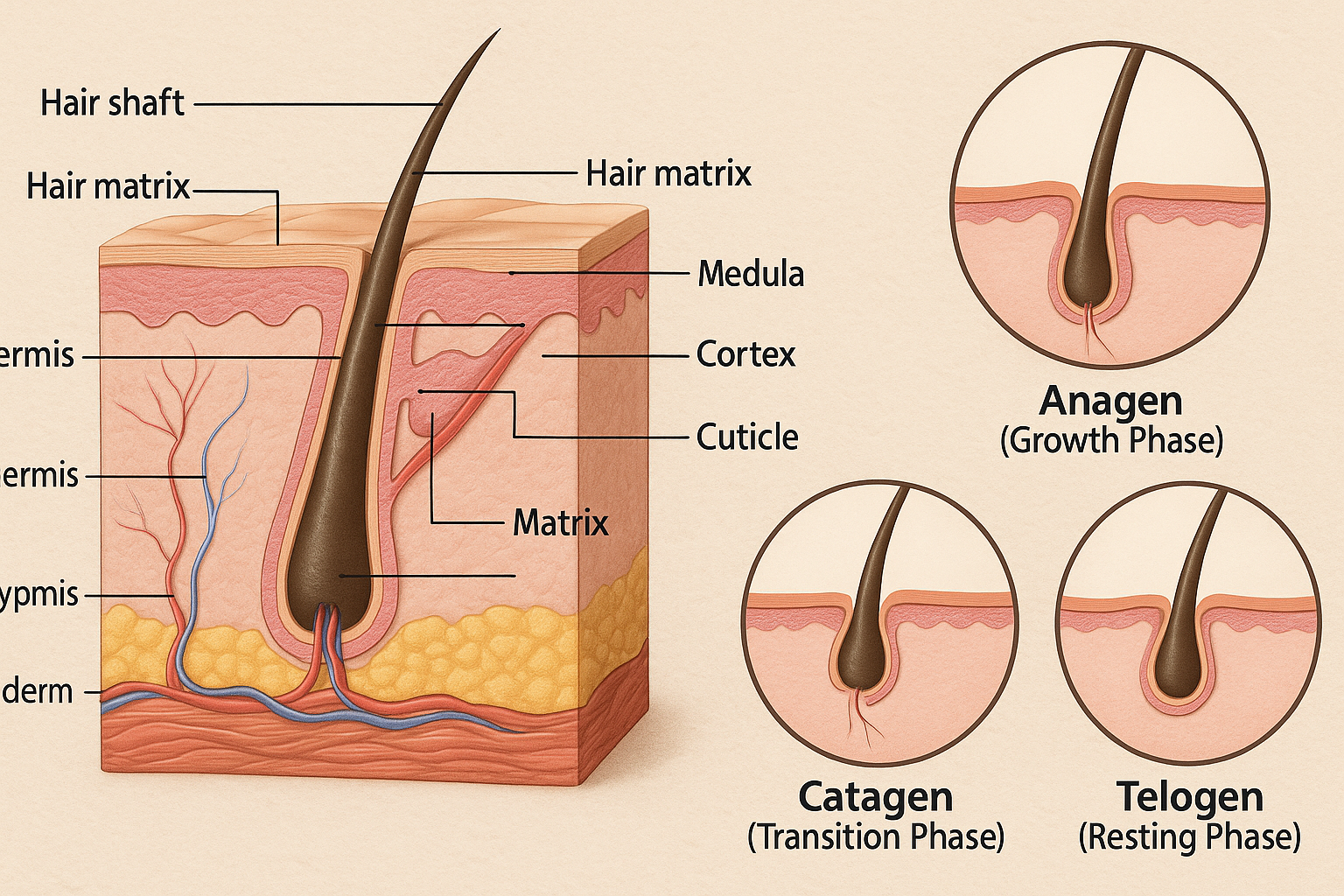
At the root of every strand is a tiny but complex organ, the hair follicle. Hidden beneath the skin, this structure anchors each hair into the scalp and is responsible for generating the hair shaft. The follicle contains multiple components, including the dermal papilla, matrix, sebaceous gland, and a network of blood vessels that deliver nutrients. The visible portion of the hair, called the shaft, consists of three layers: the cuticle (outer layer), cortex (middle layer), and sometimes the medulla (inner core).
Hair does not grow continuously. Instead, it cycles through distinct phases, which are essential to understanding both healthy growth and issues like shedding or thinning. The first and most active stage is the anagen phase, where hair is actively growing. This period can last anywhere from two to seven years, and in some people, even longer. Around 85 to 90 percent of the hair on your scalp is in this phase at any given moment. The duration of the anagen phase largely determines how long your hair can grow.
Next comes the catagen phase, a brief two-to-three-week transition where the follicle begins to shrink, and growth halts. Following that is the telogen phase, which lasts about two to four months. During this time, the hair rests and is eventually shed to make room for a new hair to begin growing in the same follicle. More recently, scientists have also recognized a separate shedding stage called exogen, which overlaps with telogen and involves the active release of the old hair.
Numerous factors influence how hair grows. Genetics is a primary determinant; it dictates the length of the anagen phase and the density of follicles. Ethnic background also plays a role—Asian hair tends to grow faster and longer, while African-textured hair may grow more slowly due to the elliptical shape of its follicles, which can also make it more prone to breakage.
Hormones significantly affect hair growth. For example, androgens like testosterone and DHT (dihydrotestosterone) can cause follicles to shrink over time, especially in individuals with a genetic predisposition to androgenetic alopecia, commonly known as pattern baldness. Hormonal changes during pregnancy, menopause, or due to thyroid imbalances can also trigger hair loss or shifts in growth patterns.
Nutrition and general health are crucial too. Hair is made primarily of keratin, a protein, so a protein-deficient diet can slow growth and cause shedding. Essential nutrients like iron, zinc, biotin, and vitamins A, C, D, and E support follicle health and cellular regeneration. Chronic stress, poor sleep, and illnesses such as anemia or autoimmune disorders can push more hairs into the telogen phase, resulting in noticeable thinning or shedding.
External factors matter as well. Harsh hair care routines, including frequent heat styling, tight hairstyles, chemical treatments, and aggressive brushing, can damage the hair shaft or even the follicle itself. Environmental pollutants and hard water can clog follicles, hindering growth. A clean, well-moisturized, and properly stimulated scalp fosters better conditions for healthy growth.
Certain disruptions can severely impact hair growth. These include common conditions like telogen effluvium, which is usually triggered by stress, illness, or surgery and leads to temporary shedding. Alopecia areata, an autoimmune disease, causes patchy hair loss. Traction alopecia results from chronic tension on the hair caused by tight hairstyles, while infections or scalp conditions like seborrheic dermatitis can also contribute to shedding and poor hair health.
The good news is there are many evidence-based strategies to promote hair growth. Nutrition should be your first focus. Ensuring you consume adequate protein along with vitamins and minerals supports the internal processes that drive follicle activity. Foods like eggs, fatty fish, nuts, leafy greens, and beans are particularly beneficial.
Scalp care is equally important. Regular scalp massages can increase blood flow, delivering oxygen and nutrients directly to the follicles. Essential oils like rosemary, peppermint, and castor oil have shown promise in stimulating growth when applied with gentle massage. Maintaining scalp hygiene and avoiding buildup from styling products can also improve follicular function.
A gentle hair care routine minimizes damage. Use sulfate-free shampoos, avoid daily heat styling, and opt for protective hairstyles that reduce tension on the scalp. Letting your hair air dry, using silk pillowcases, and limiting chemical treatments can help retain length and thickness.
For persistent hair loss or growth issues, it’s best to consult professionals. Dermatologists can conduct blood tests, scalp biopsies, and prescribe medical treatments such as minoxidil or finasteride. Trichologists offer specialized care in diagnosing and treating hair and scalp disorders and may recommend laser therapy or microneedling for stubborn cases.
Exciting advancements in research are paving the way for more effective hair loss solutions. Scientists are exploring the potential of stem cells found in dormant hair follicles to regenerate growth. Treatments like platelet-rich plasma (PRP) therapy, which uses your own blood plasma to stimulate follicles, are gaining popularity. Hair cloning and lab-grown follicles are still in the experimental phase but offer hope for long-term solutions to hair loss.
In summary, human hair growth is governed by a complex interplay of biology, genetics, hormones, and lifestyle. While you can’t control your DNA, you can make informed choices that support your hair’s health. By eating well, caring for your scalp, protecting your hair from damage, and seeking medical guidance when needed, you can maintain and potentially improve your hair’s strength, volume, and growth.
Understanding your hair’s growth cycle and treating your hair with patience and respect is the foundation of a healthier, more vibrant mane. With consistent care and the right knowledge, unlocking the secrets of human hair growth becomes not only possible—but empowering.
