


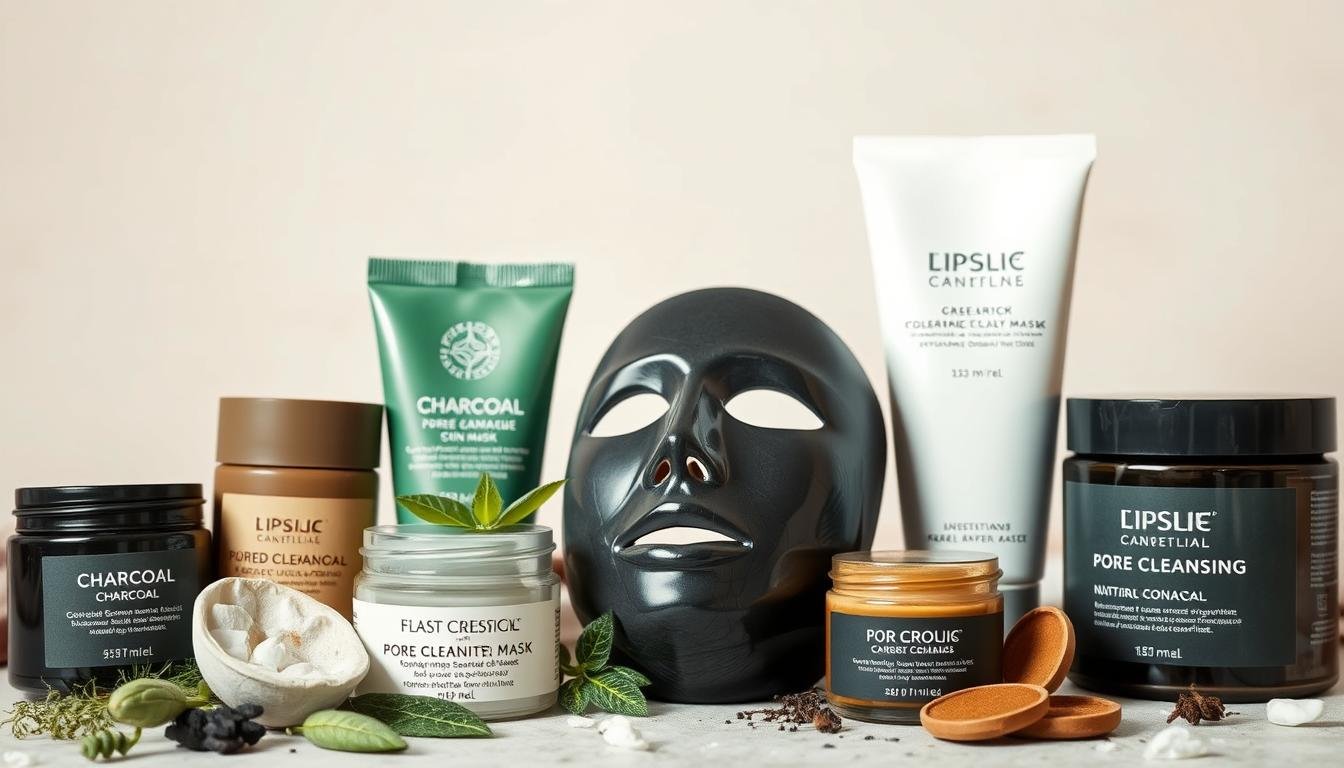

After a long day, you feel your face is heavy with sunscreen, pollution, and makeup. You grab a jar of clay and smooth it over your cheeks. For ten minutes, the mask tightens, then you rinse and see your skin is smoother and clearer.
People and Allure’s editorial panels tested pore-cleansing masks. They found that the right masks can make your skin look better. Masks like Cetaphil Pro DermaControl Purifying Clay Mask and The Outset Purifying Blue Clay Mask were top picks. They were comfortable, effective, and balanced moisture.
In this article, you’ll learn how these masks work and what ingredients are key. You’ll also find out how to pick the best masks for your skin. Follow our advice to get smoother, cleaner-looking skin without making common mistakes.
Key Takeaways
- Pore-cleansing masks can improve texture and reduce the look of pores but won’t remove pores entirely.
- Editorial testing highlights clay masks that balance oil control and moisture as top performers.
- Choose masks based on your skin type and follow proper aftercare for best results.
- Expect immediate cosmetic benefits; long-term structural change often requires professional treatments.
- Read ingredient labels to match absorbents, exfoliants, and hydrators to your needs.
Why Pores Matter: How Pore Size and Congestion Affect Your Complexion
Pores are tiny openings connected to hair follicles and sebaceous glands. They help your skin regulate oil and stay hydrated. When pores work well, your skin barrier stays balanced, leading to fewer breakouts and smoother texture.
The role of pores in skin health
Pores let sebum reach the surface to keep skin supple. They also clear sweat and act as a route for topical products. If you maintain gentle cleansing and appropriate hydration, pores support overall barrier function and a smoother look.
Common causes of enlarged or congested pores
Genetics and aging change pore elasticity, making pore size more visible over time. Hormonal shifts and excess sebum production can lead to pore congestion. This traps oil, dead skin, and pollution. Inadequate cleansing and heavy cosmetics add to the problem, especially for oily and combination skin.
What you can realistically expect from treatments
Pore-cleansing masks and pore refining masks with clay or salicylic acid can reduce pore congestion and improve texture with consistent use. Reviewers at PEOPLE and Allure report immediate smoothing and less visible pores from products like Cetaphil Dermacontrol and Caudalie without overdrying.
Pore treatments usually yield gradual, visible improvements rather than permanent resizing. Stubborn congestion may need professional extraction or dermatologic procedures for the best results. Use targeted masks regularly and pair them with gentle exfoliation for steady progress.
How Pore-Cleansing Masks Work: Ingredients and Mechanisms
Knowing what’s in a mask helps pick the right one for your skin. Ingredients target oil, dead skin, pore size, and irritation. A good mix keeps your skin clear without drying it out.
Clay and absorbents
Clays like bentonite, kaolin, and montmorillonite soak up extra oil and pull out surface dirt. Volcanic ash and charcoal gently scrub or absorb to remove impurities. Studies by Allure and PEOPLE show masks with these ingredients from Kiehl’s and Mario Badescu make skin look better and feel smoother.
Chemical exfoliants and acids
Salicylic acid gets deep into pores to clear out blockages. Glycolic, lactic, and mandelic acids remove dead skin and brighten your complexion. Many masks combine BHAs with AHAs for deep cleaning without harsh effects.
Pore-minimizing actives and hydrators
Niacinamide controls oil and makes pores look smaller. Hyaluronic acid and glycerin keep moisture in, so masks don’t dry out your skin. Products from Laneige and Kiehl’s use oils and emollients to keep skin soft while working on pores.
Soothers and barrier-support ingredients
Aloe vera, oat extract, centella asiatica, and shea butter soothe and help repair skin after cleansing. Formulas from First Aid Beauty and Dr. Jart+ focus on these to lessen redness and sensitivity after using a mask.
Choosing the right mix is key. You want to clean and exfoliate without drying out. Brands like Tatcha and The Outset blend clarifying clays with hydrating or soothing agents for masks that deeply clean and balance your skin.
Choosing the Best Pore-Cleansing Masks for Your Skin Type
Finding the right mask is all about your skin’s needs. You need masks that refine pores, control oil, soothe irritation, or add moisture. Here are some tips to help you choose the right one for your skin.
Recommendations for oily and acne-prone skin
If you have oily or acne-prone skin, look for masks with salicylic acid, bentonite or volcanic clays, charcoal, and niacinamide. These ingredients help unclog pores and reduce oil. Try The Ordinary Salicylic Acid 2% Masque, Fenty Cookies N Clean, Innisfree Jeju Volcanic Mask, and Caudalie Vinergetic for better oil control and faster healing.
Recommendations for dry or mature skin
For dry or mature skin, choose clay masks with hydrating and barrier-supporting ingredients. Look for hyaluronic acid, squalane, collagen, or nourishing oils. Mario Badescu Super Collagen Mask, Kiehl’s Ultra Facial Overnight Mask, and Laneige Water Sleeping Mask are great for adding moisture and improving texture.
Recommendations for sensitive skin
For sensitive skin, pick masks with colloidal oatmeal, aloe, or low-level actives. These gentle formulas help reduce irritation and calm redness. First Aid Beauty Ultra Repair Instant Oatmeal Mask and Ole Henriksen Cold Plunge Pore Mask are good choices. Always patch-test products with cooling or minty ingredients.
Combination and normal skin strategies
For combination and normal skin, try multi-masking. Use stronger clay or BHA masks on the oily T-zone and hydrating masks on dry cheeks. Tatcha Clarifying Clay Mask and balanced formulas from The Outset work well. Rotate masks with the seasons and when your skin needs it.
When buying, look beyond “clay” on the label. Check for AHAs/BHAs, niacinamide, hyaluronic acid or squalane, and soothing botanicals. Match the mask’s texture and frequency to your routine to support your skin’s barrier.
| Skin Type | Key Ingredients to Look For | Brand Examples | Use Frequency |
|---|---|---|---|
| Oily / Acne-prone | Salicylic acid, bentonite/volcanic clay, charcoal, niacinamide | The Ordinary Salicylic Acid 2% Masque; Innisfree Jeju Volcanic; Fenty Cookies N Clean; Caudalie Vinergetic | 1–3 times weekly, depending on tolerance |
| Dry / Mature | Hydrators (hyaluronic acid, squalane), collagen, gentle kaolin | Mario Badescu Super Collagen Mask; Kiehl’s Ultra Facial Overnight Mask; Laneige Water Sleeping Mask | 1–2 times weekly or as a sleeping treatment |
| Sensitive | Colloidal oatmeal, aloe, minimal actives | First Aid Beauty Ultra Repair Instant Oatmeal Mask; Ole Henriksen Cold Plunge Pore Mask (patch-test first) | Start with once weekly; increase only if no irritation |
| Combination / Normal | Balanced clays, mild BHAs, hydrating serums | Tatcha Clarifying Clay Mask; The Outset balanced formulas | 1–2 times weekly; multi-mask as needed |
Top pore-cleansing masks and product categories you should know
Choosing the right mask can transform your skin’s look and feel. Below, you’ll find top picks, affordable options, luxury choices, and masks for specific skin issues. Use these recommendations to find the perfect mask for your skin type and goals.
Best overall and tested winners
- Cetaphil Pro DermaControl Purifying Clay Mask is loved for its quick texture improvement and wide compatibility. It combines bentonite with apple and cucumber extracts for gentle cleansing.
- The Outset Purifying Blue Clay Mask is a hit with its blend of kaolin, salicylic acid, and niacinamide. It clarifies without drying out your skin, leaving pores smoother and shine reduced.
Budget and drugstore options
- The Inkey List Kaolin Mask offers effective dead-skin removal at a low cost. It’s a great choice for simple, yet effective exfoliation.
- L’Oreal Pure Clay Face Mask combines kaolin, montmorillonite, lava clay, and charcoal for a budget-friendly clear look.
- The Ordinary Salicylic Acid 2% Masque pairs salicylic acid with kaolin and charcoal. It’s affordable and targets congestion. Check out reviews for feedback on its effectiveness.
Investment and luxury picks
- Tatcha The Clarifying Clay Mask uses Okinawa kucha clay, konjac, and volcanic ash. It offers a self-warming, color-changing experience that feels luxurious and works well.
- Shani Darden Triple Acid Peel is a strong option for resurfacing. It’s for those who want deep renewal, but use it with caution.
Specialty masks by concern
- For brightening and evening out your skin tone, try Kiehl’s Rare Earth or an AHA-based mask like Hyper Skin Fade and Glow.
- For acne-prone skin, Tata Harper Clarifying Mask uses botanicals to reduce blemishes and calm inflammation.
- For dry skin, Kiehl’s Ultra Facial Overnight Mask and Laneige Water Sleeping Mask replenish moisture after treating pores.
- For sensitive skin, First Aid Beauty Instant Oatmeal Mask and Ole Henriksen Cold Plunge soothe while addressing congestion.
How to use these lists
Begin by reading pore-cleansing mask reviews to see how they work in real life. If you’re on a budget, start with affordable masks and observe your skin’s response over two weeks. For specific skin issues, choose masks designed for those concerns.
Remember, different masks have different effects. Some might sting briefly but work well. Others might stay on longer to moisturize. Choose based on ingredients and how they fit into your skincare routine.
How to Use Pore-Cleansing Masks Safely and Effectively
Using pore-cleansing masks can make your skin look better and feel cleaner. Follow these easy steps to get the most out of them. Remember, Allure and PEOPLE have tips to help you use them right.
Prepping your skin for maximum benefit
Begin with a gentle cleanser to remove dirt and oils. If your skin can handle it, a warm steam can open pores. But, if your skin is sensitive, just use lukewarm water.
Application tips and timing
Put on an even layer with your fingers or a brush, avoiding sensitive areas. Follow the time suggested by the brand. Some masks work in just a few minutes, while others take longer.
Removal and follow-up care
Rinse with lukewarm water, using gentle motions. Some masks are easier to remove in the shower. After rinsing, dry your skin and apply a moisturizer. If you used an exfoliating mask, use sunscreen the next day.
Frequency and adjustment for sensitivity
Use clarifying masks 1-2 times a week. Hydrating masks can be used more often. If your skin is sensitive, start with once a week and test a small area first.
Practical safety tips
Don’t overdo it with exfoliating. Stop using a product if it causes burning or redness. When mixing clays, follow the ratio to avoid drying out your skin. These tips will help you use masks safely and effectively.
Pro tips and advanced techniques to boost results
Get more from masks without irritation by using targeted strategies. Start with a short prep: cleanse, steam for five minutes, then apply treatments that match each zone. This multi-masking and layering approach treats oily and dry areas at once.

For layering, put clay or BHA formulas on the T-zone for sebum and blackheads. Use a hydrating or barrier-support mask on cheeks and eye areas. Follow a clay mask with an overnight moisturizer-mask from Kiehl’s or Laneige to restore moisture after cleansing.
Keep tools and steams brief and gentle. A five to ten minute facial steam opens pores without excess heat. Use a gua sha or jade roller to boost lymphatic flow and help serums absorb better. If you try pore vacuums or extraction tools, do them only after using a decongesting mask and move slowly to avoid trauma.
Layering and multi-masking strategies
Plan your session by skin zone. Apply a salicylic or clay mask where you break out. Put a hydrating gel or sleeping mask on dry spots. This is a practical multi-masking method that balances treatment and comfort.
You can read a clear guide on product layering to refine timing and order at the right way to layer skincare.
Using tools and steams appropriately
Limit steam to five minutes to avoid flushing. Use mechanical tools after masks to ease extractions when needed. Seek a dermatologist or licensed esthetician for stubborn comedones or risky extractions to reduce scarring.
When to combine masks with active treatments
Match actives to goals. Use BHA masks for breakouts and AHAs for texture or pigmentation. Add niacinamide post-mask to improve pore appearance and control oil. Avoid stacking multiple strong exfoliants or retinoids at the same time to keep irritation low.
| Skin Goal | Mask Choice | Tool/Prep | Follow-up |
|---|---|---|---|
| Congested, oily | The Ordinary salicylic or Outset clay | Steam 5 min, gentle extractions if needed | Niacinamide serum, lightweight moisturizer |
| Combination | Tatcha on T-zone, hydrating gel on cheeks | Spot-apply, no heavy steam | Sunscreen daytime, barrier cream nighttime |
| Dry or mature | Hydrating sleeping mask (Laneige, Kiehl’s) | No steam; apply on damp skin | Rich moisturizer and oil if needed |
| Sensitive | Soothing clay with low active levels | Skip tools, cool compress post-mask | Minimal actives; use calming serum |
Use these pore-cleansing mask techniques as part of a consistent routine. If at-home methods stall, consider professional peels, microdermabrasion, or clinical extraction to move past persistent congestion with safe, effective escalation.
Risks, myths, and what testing shows about real-world effectiveness
Many masks claim to change your skin overnight. But, they can only make your skin look clearer and tighter. They can’t empty your pores completely. Dermatologists and tests show masks have limits.
Common myths about “deep cleaning” pores
Myth: a single mask can clear all pores. Reality: masks can reduce surface blackheads and oil but can’t get rid of deep debris. Dermatologists say professional treatments might be needed for tough spots.
Myth: more clay or stronger stinging means better results. But, it’s the mix of ingredients that matters. A balanced formula often works better than single ingredients.
Reported side effects and how testers responded
Some people get a few pimples when trying a new mask. Others feel a sting or see redness after using strong masks.
PEOPLE testers got a brief purge with Cetaphil Dermacontrol. Glow Recipe masks caused a mild sting. Some Youth to the People and Mario Badescu masks left redness. Allure warns against over-exfoliating with strong peels.
Balancing efficacy and moisture
Strong clay and acid masks can dry out your skin if not balanced. The best masks mix actives with hydrators and moisturizers. Brands like Kiehl’s use squalane, and Youth to the People combines niacinamide with humectants.
Tests show many masks can even increase skin hydration. Natural masks like bentonite are good for occasional use. But, many prefer Tatcha, Caudalie, or Cetaphil for consistent results and moisture balance.
To avoid myths and side effects, patch-test new masks. Follow the recommended use time. Don’t mix strong actives. Always moisturize and use sunscreen after using acids.
Conclusion
Pore-cleansing masks are a great tool if you pick the right one and use it right. Studies in PEOPLE and Allure show they can smooth skin and make pores smaller. They also keep your skin moist.
Look for masks that mix actives with hydrators. This way, your skin won’t get too dry.
Choose masks based on your skin type. BHAs and charcoal are good for oily skin. Hydrating clays and squalane are better for dry skin. Oatmeal and calming plants are great for sensitive skin.
Read reviews to find masks that work for you. You can find good masks at any price, from cheap to expensive.
Start slow with masks. Use them for a short time and not too often. Test them on a small area first. Then, add them to your skincare routine with cleansers, serums, moisturizers, and sunscreen.
If your skin still looks clogged, see a dermatologist. They can help with deeper treatments.
Use masks from brands like Cetaphil, The Outset, and Tatcha to find what works for you. With the right mask and care, your skin can look smoother and younger over time.
FAQ
What can I realistically expect from pore-cleansing masks?
You can expect smoother, cleaner-looking skin and smaller pores when using masks right. Tests from PEOPLE and Allure show masks improve texture and moisture. They help clear pores but can’t remove all dirt.
How do clay masks and absorbents work on pores?
Clays, volcanic ash, and charcoal soak up excess oil and dirt. This helps to reduce visible pores. The best masks mix these ingredients with hydrators to avoid drying out your skin.
Should I choose masks with chemical exfoliants?
Yes, if you have oily or acne-prone skin. BHAs like salicylic acid open pores to remove dirt. AHAs and PHAs brighten and remove dead skin cells. Start with gentle peels and patch-test.
Which pore-minimizing actives and hydrators should I look for?
Look for niacinamide to control sebum and reduce pores. Hyaluronic acid and glycerin keep your skin moist. Top masks combine these ingredients for a smooth finish.
What ingredients soothe the skin after a clarifying mask?
Aloe, oatmeal, and shea butter help your skin recover. They reduce irritation after using exfoliating masks. Brands like First Aid Beauty and Dr. Jart+ use these ingredients.
Which masks are best for oily and acne-prone skin?
Choose masks with salicylic acid and clays. The Ordinary Salicylic Acid 2% Masque and Fenty Cookies N Clean are good options. They help control oil and clear pores.
What should dry or mature skin use in a pore-cleansing mask?
Use clay masks with hydrating ingredients like collagen and squalane. Mario Badescu Super Collagen Mask and Kiehl’s Ultra Facial Overnight Mask are good choices. They improve moisture and texture.
What are the best options for sensitive skin?
Look for gentle masks with oatmeal and aloe. First Aid Beauty Ultra Repair Instant Oatmeal Mask and Ole Henriksen Cold Plunge Pore Mask are good. Always patch-test before using.
How should I use pore-cleansing masks for combination or normal skin?
Use clay or BHA masks on the oily T-zone and hydrating masks on cheeks. Tatcha Clarifying Clay Mask and The Outset Purifying Blue Clay Mask are good for all skin types.
Which pore-cleansing masks performed best in testing?
Cetaphil Pro DermaControl Purifying Clay Mask was the best overall, according to PEOPLE. The Outset Purifying Blue Clay Mask was Allure’s top pick. Other great masks include Tatcha and L’Oreal.
Are there effective budget or drugstore pore-cleansing masks?
Yes, there are affordable options. The Inkey List kaolin mask and L’Oreal Pure Clay Face Mask are good choices. They use effective ingredients without breaking the bank.
What luxury or investment masks are worth considering?
Tatcha The Clarifying Clay Mask is a premium choice. It uses unique ingredients for deep cleansing. Shani Darden Triple Acid Peel is another high-end option for stronger results.
How do I prep my skin before applying a pore-cleansing mask?
Cleanse your skin gently to remove makeup and oils. A brief steam can open pores. This helps the mask work better, as shown in PEOPLE and Allure testing.
How long should I leave a pore-cleansing mask on?
Follow the mask’s instructions, usually 5–20 minutes. Some masks, like Tatcha, work in just three minutes. Be careful with acid-based masks and start with shorter times.
What’s the best way to remove masks and follow up?
Rinse with lukewarm water in a circular motion. Some masks are easier to remove in the shower. Apply a hydrating serum or moisturizer after to keep your skin moist.
How often should I use pore-cleansing masks?
Use clarifying masks 1–2 times a week. Hydrating masks can be used more often. Start with once a week for sensitive skin and patch-test.
Can I multi-mask or layer masks to target different areas?
Yes, you can. Apply clay or BHA masks to the oily T-zone and hydrating masks to dry cheeks. This way, you can target different areas at once.
Should I use facial steams or tools with pore-cleansing masks?
Brief steaming can open pores and improve mask absorption. Use tools like gua sha gently for better results. Avoid overusing tools or trying to extract too much.
When is it appropriate to combine masks with active topical treatments?
Combine masks and treatments carefully. Use BHA masks for breakouts and AHAs for texture. Niacinamide helps with pore size. Avoid mixing too many strong products.
Do pore-cleansing masks permanently unclog pores or remove their contents?
No, masks don’t permanently empty pores. They reduce surface dirt but can’t get rid of all deep dirt. Professional treatments may be needed for stubborn issues.
What side effects should I expect and how common are they?
You might feel a brief sting with strong masks, or temporary redness after removing. Some may get a few pimples at first. Stop using if irritation lasts or gets worse.
How do I balance efficacy and moisture when choosing a mask?
Look for masks that combine actives with hydrators. Top masks balance these ingredients for better results. They can even increase moisture while refining your skin.
Are natural single-ingredient clays a good choice?
Natural clays can be effective but need careful use. Mix them well and use them for a short time to avoid drying out. Many prefer masks with added hydrators for safer results.
How can I reduce the risk of irritation or damage when using masks?
Patch-test before using, follow the recommended time, and avoid mixing strong actives. Always moisturize after using exfoliating masks. Use sunscreen after acid treatments and see a dermatologist if problems persist.
When should I see a dermatologist instead of relying on at-home masks?
If at-home masks don’t clear deep congestion or persistent acne, see a dermatologist. They can offer professional treatments like extractions and peels for stubborn issues.
What are the best starter routines using pore-cleansing masks?
For oily skin, cleanse, steam, apply a BHA or clay mask, rinse, and moisturize. For combination skin, multi-mask and apply SPF in the morning. Start with gentle products and adjust as needed.
Which products did testing and editorial reviews recommend to guide purchases?
Consider Cetaphil Pro DermaControl Purifying Clay Mask (PEOPLE Best Overall) and The Outset Purifying Blue Clay Mask (Allure Best Overall). Tatcha, The Ordinary, Kiehl’s, and Fenty are also good options. Choose based on your skin type and concerns.
